

The “Americans in Europe” trope is so well-worn that we europhiles usually get our appetites for our European fantasies at least whetted if not fully satiated every two years, with Woody Allen having attempted to monopolise this particular market for a good 5 years from 2008.
It’s interesting that the Italy-France-Spain triangle goes on a loop, without other European countries ever getting a look-in.
I’ve cheated a bit in this post, as I’ve also included some films that feature the British and other nationalities in Europe, so let’s just say it’s about anglophones!
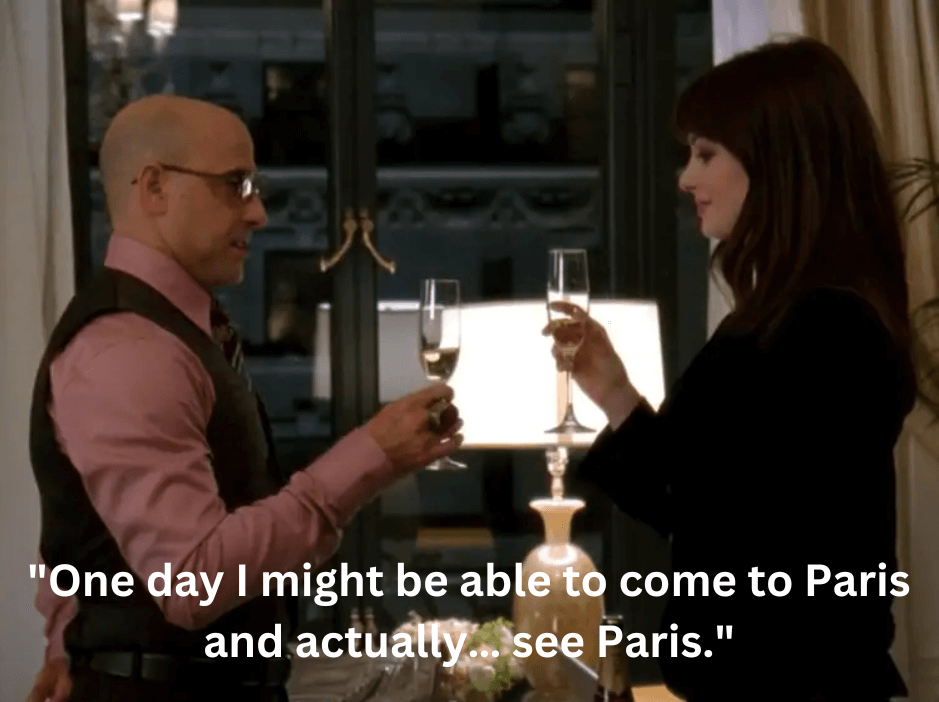
I often wonder what it is about us anglophones and these three countries that makes this yearning so enduring; part of me thinks that we’re all Nigel from The Devil Wears Prada, desperate to get out of the rat race when life just gets to be too much.
Part of that yearning also translates into our foreign language-learning journeys. There’s a looming question in the background of “will I ever get there?”, whether it’s referring to fluency or the Tuscan villa we spent a week in 5 years ago.
Here’s a list of the some of the most well-known films of this genre (and some newer wild cards that were not worth the watch!).
Stealing Beauty (1996)
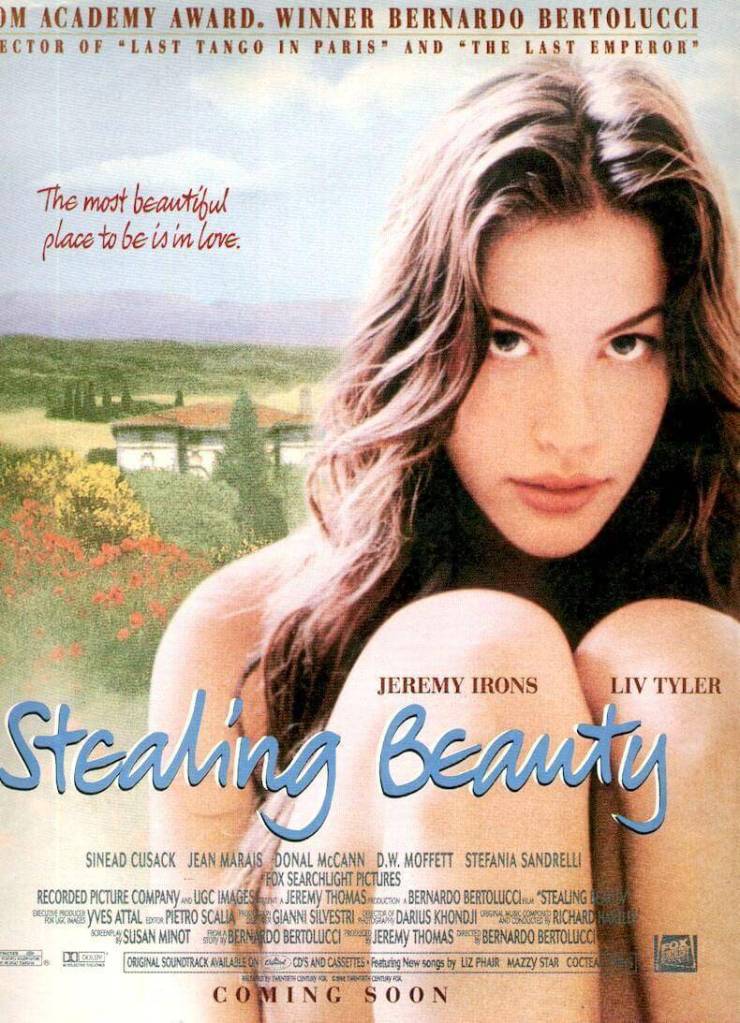
An oldie but a goldie, this coming-of-age story was Liv Tyler’s first leading role, which follows her character Lucy to a Tuscan villa inhabited by an intellectual motley crew of artist types. It’s got all the usual sexist tropes in it, but is ultimately a sweet and wholesome watch.
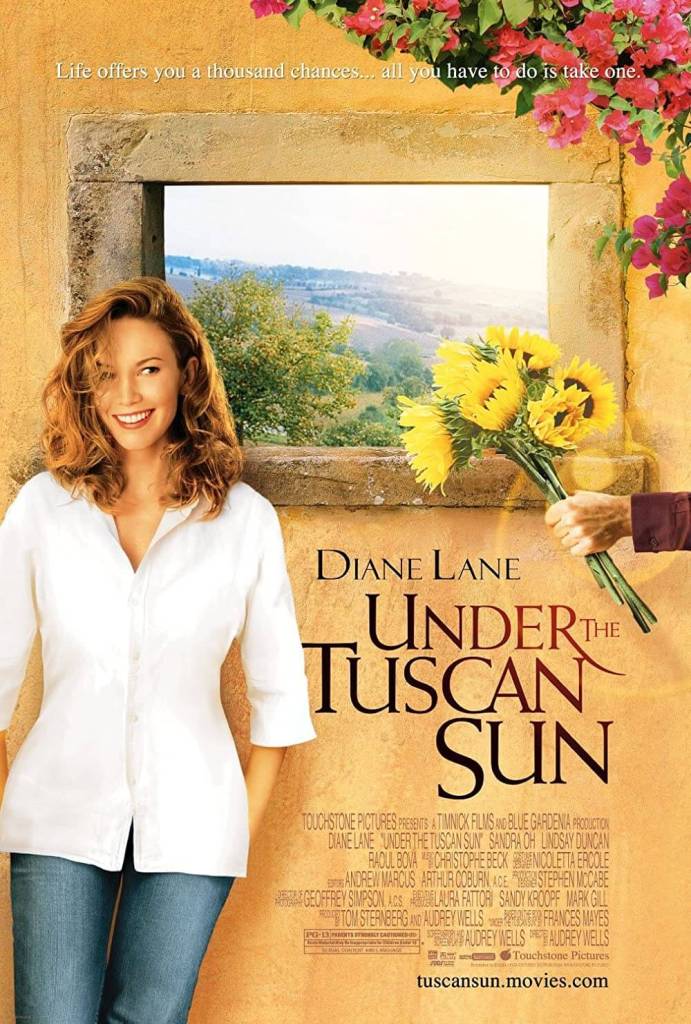
Under the Tuscan Sun (2003)
Rose McGowan discusses this book and film on Caroline O’Donoghue’s podcast Sentimental Garbage, and sells the movie only to trash the book! She says that “the book is wildly different to the movie; it’s really about home restoration in Italy and a lot of food and recipes, and there are no hot Italians, […] there are zero hot people in this book. […] I must confess that I found the book kind of boring.”
As for the film, it’s the classic American in Europe story i.e. it’s a little bit silly, but is ultimately feel-good.
A Good Year (2006)
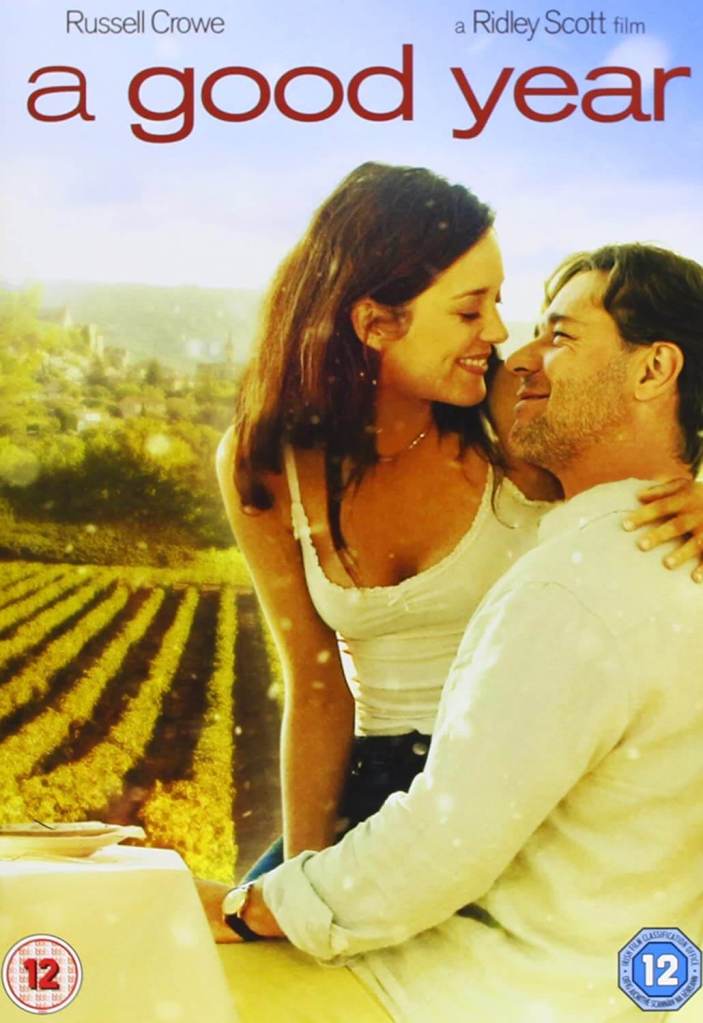
This film is such a classic, an adaptation of Peter Mayle’s novel of the same name. A wanky English financier heads to France upon learning of his uncle’s death, and the warmth of Provence melts his cold heart. It’s certainly a heart-warming watch if you can gloss over the relentless sexism that has made it age poorly – and the film shows a diluted down version of the rampant misogyny in the book.
Russell Crowe plays the arsehole lead excellently and if you’re happy to concede the sexist undertones as “of their time” (Mayle published the book in 2004) and something to chuckle at, then it’s a great watch.
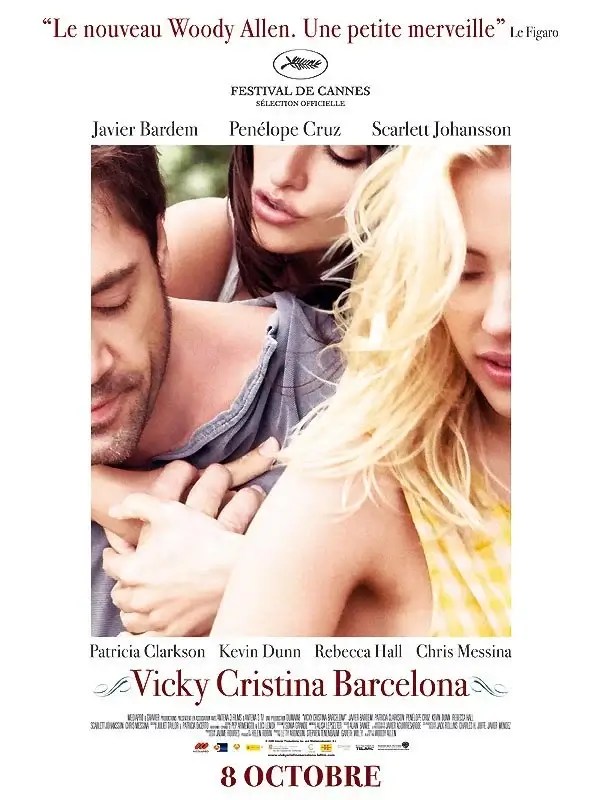
Vicky, Cristina, Barcelona (2008)
I’ve watched this one so many times, mainly for the fiery relationship between Javier Bardem’s and Penelope Cruz’ characters. Basic premise: two Americans spend the summer in Barcelona and through an encounter with a swarthy Spaniard, have whirlwind experience. Rebecca Hall as Vicky is dry as hell = hilarious.
It’s pure cheese in places but I love it.
Oh, and the soundtrack is superb.
Eat, Pray, Love (2010)
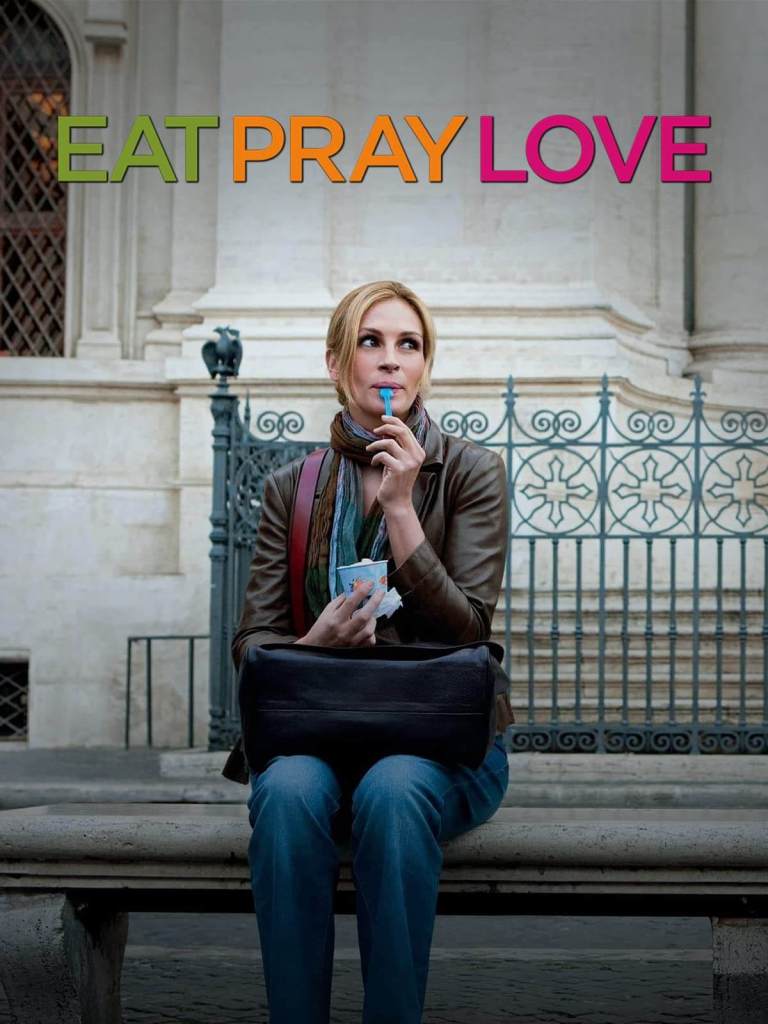
This one is a tricky one, because to me, this film is really three different films! I could watch the “Eat” part, set in Italy, over and over again. It reminds me of all the fabulous eating I did on my Erasmus year in Verona as part of my university course.
However, I find the “Pray” part in India rather earnest (which I suppose it’s meant to be) and wish every time that Liz would tell fellow prayer Richard to suck it. The “Love” part is only rescued by the beautiful scenery of Bali and Javier Bardem’s contribution to the story, in my eyes. Still, whenever I’m feeling stuck in life, it’s a (third of a) film I reach for. The book is much better than the film!
Letters to Juliet (2010)
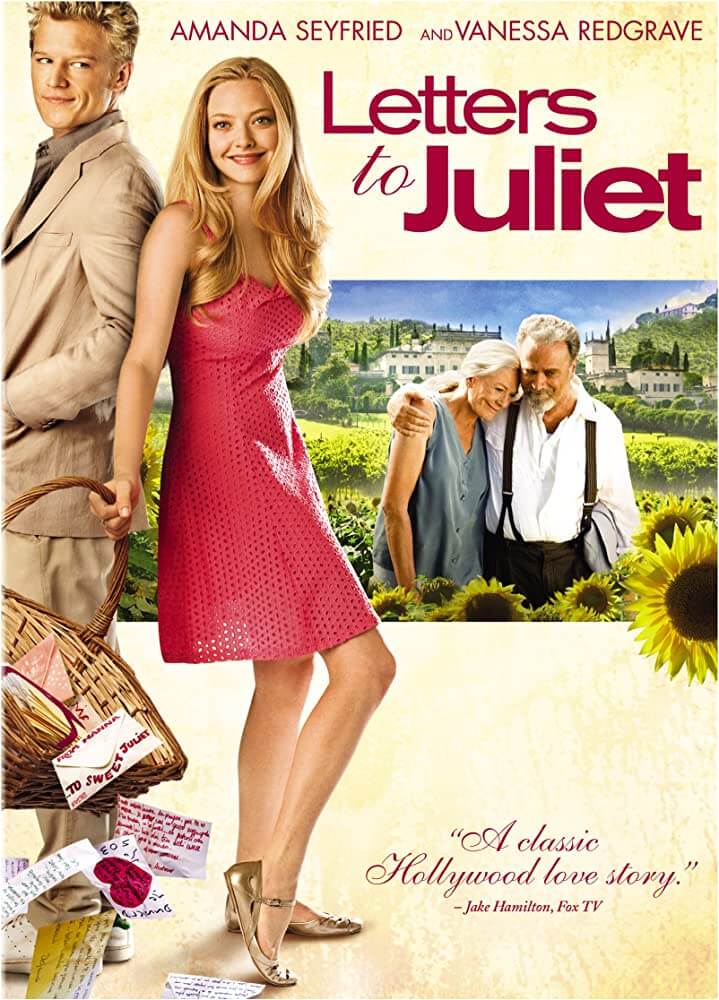
This came out the year I was living in Verona, so all of my Erasmus friends and I rushed to the cinema to see our temporary home blown up on the big screen. It was disappointing to see that our city was virtually unrecognisable in the film and that the story was terrible! I wouldn’t recommend this one… It’s cheesy in all the wrong ways, and having to stomach Gael García Bernal (who is Mexican, not Italian!) not being the “it guy” was just a step too far for me. He will forever be Che Guevara in my eyes…
Midnight in Paris (2011)
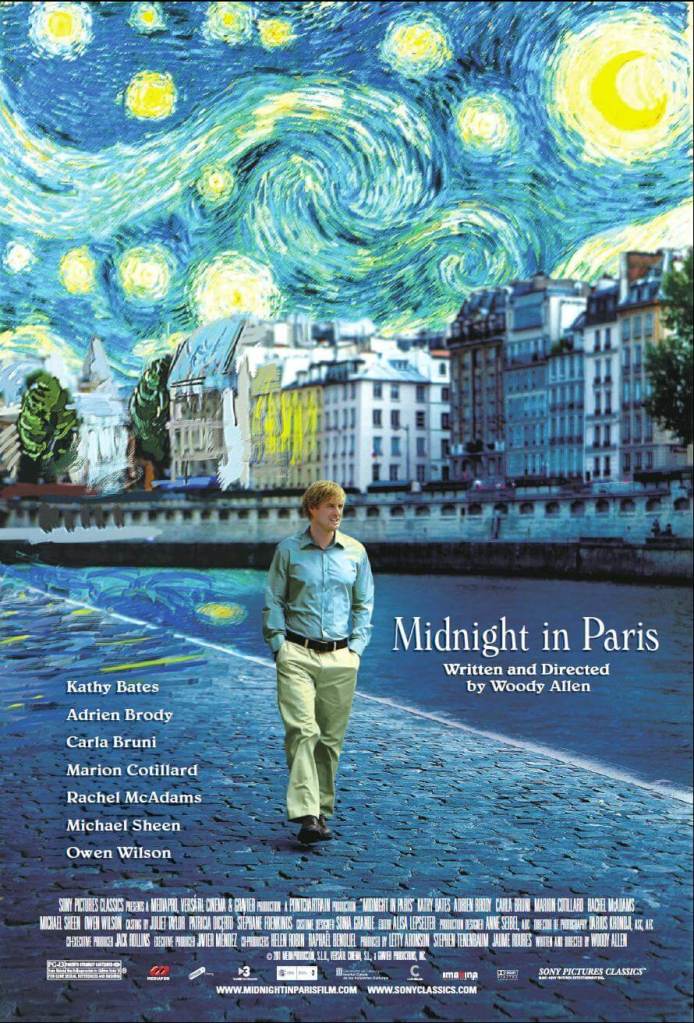
This is an interesting one; Woody Allen breaks the rules of his own genre, where normally his films give viewers the opportunity to deludedly convince themselves they could inhabit the world on show. In this case of time travel, such euro-dreaming isn’t an option.
I’m not a huge fan of the fantastical so this is a very subjective rating indeed, but it’s two stars from me.
To Rome with Love (2012)
This is a pretty grim one. No one likes seeing Woody Allen on screen, but at least Penelope Cruz was there to detract from a plot that leaves much to be desired. In sum, nothing at all to write home about.

Call Me By Your Name (2017)
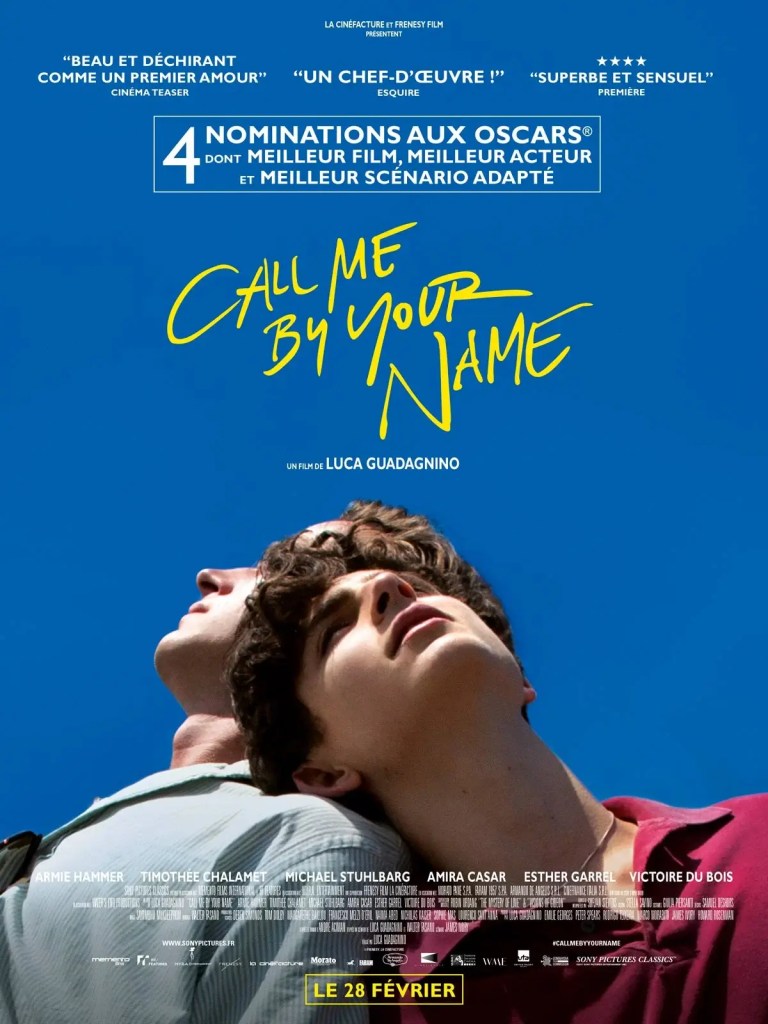
This coming-of-age story is one of my all-time favourite “Americans in Europe” films. Call me by your name is pretty true to the book and is beautifully shot. It’s set in Italy, but features a smattering of Italian, French, German, English and Hebrew.
The French are generally not fans of Timothée Chalamet for his supposed butchering of the French language. Despite this, Chalamet still honours his father’s mother tongue in interviews and in his work, so I take my hat off to him!
Made in Italy (2020)
An “Irish people in Europe” twist, Liam Neeson and his son Micheál Richardson got a lot less than they bargained for when they signed up for a script they related to (Neeson and Richardson’s characters are mourning the loss of their wife and mother respectively).
My god, what a pile of dog shite. I got to 58 minutes and couldn’t take it anymore, so skipped through to various parts to see all the usual clichés of reconciliation and hopes of foreign romances.
The saturation on the Tuscan countryside is nauseating; on the plus side, I felt buoyed that I could write a script that crap, so there’s hope for us all.

Toscana (2022)
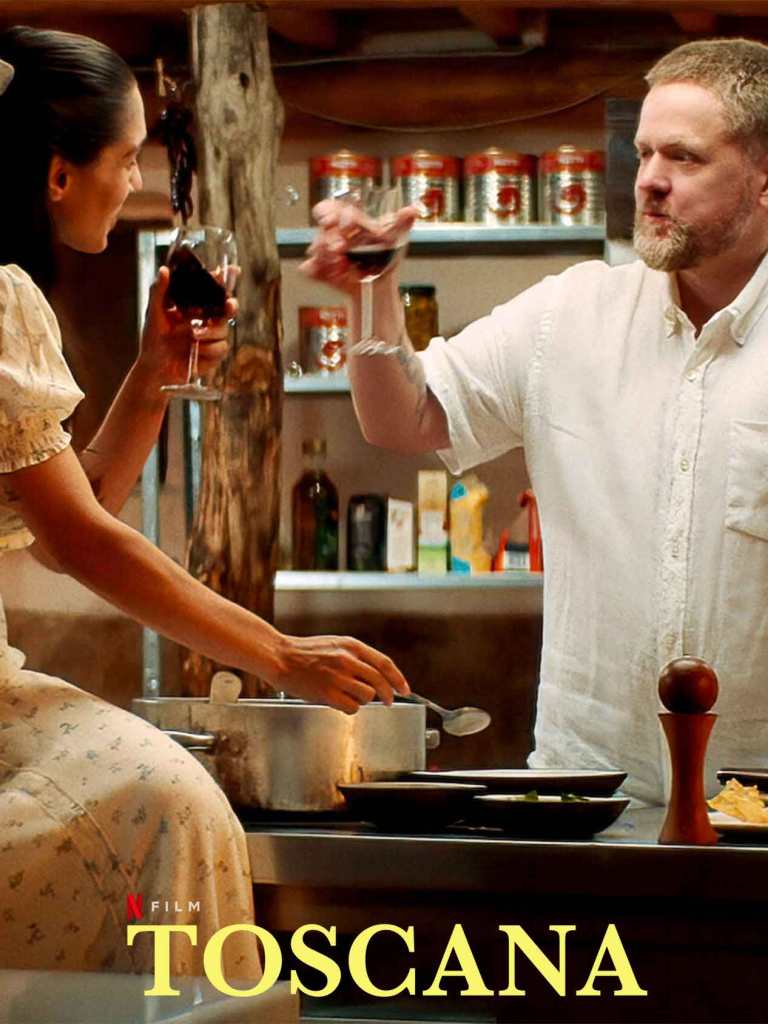
Ok ok this one doesn’t fit into this list at all because the lead is a Dane (though he does speak English in the film), but I had to include it partly because it follows the classic “foreigner in Tuscany” trope and also because it is just so diabolical.
A more suitable title for this film would’ve been “Tosser”. Grumpy chef Theo heads to Italy upon learning of his estranged father’s death, set on selling up Dad’s large estate. Problem is, Theo is a thoroughly unlikeable character and even the magic of Tuscany doesn’t warm him up. Just when you think you can’t roll your eyes anymore, romantic interest Sophia tells Theo that the most important ingredient in whatever dish she’s making is “love”. Bucket please.
What does this say about us anglophones?
A short story comes to mind whenever I try to get to the route of the success of this genre. In 1963, Heinrich Böll wrote “Anecdote concerning the Lowering of Productivity” (“Anekdote zur Senkung der Arbeitsmoral”), which was set in an unnamed harbour somewhere in Western Europe. The story has since been adapted to feature an American tourist and a Mexican fisherman, but the same message still applies:
British and American culture both promote individualism, the acquisition of wealth and the pursuit of more more more, in a way that a lot of cultures in Western Europe simply don’t.
My theory is that anglophones who dream of the idyllic European life are conflicted between the values they’ve been taught at home and the appeal of a slower way of life. Here are some fun facts to prove just how different life in Western Europe is:
- In France, it’s forbidden to eat lunch at your desk; employers risk being fined and employees can end up with a disciplinary sanction
- In Spain, the majority of shops and businesses close between 14:00-16:00 to allow workers to eat and have a siesta before returning to work
- In many countries in Western Europe, restaurants close for up to two weeks in the summer to give all workers time off
- The Slow Food movement was created in 1986 in Italy as a protest against the opening of a McDonald’s near the Spanish Steps in Rome
When people quit the rat race in London, it’s partly to get more bang for your buck and to have a better work-life balance, but I also think it’s to get away from the London mentality, which tells you to just keep racing. The people we surround ourselves with will inevitably affect how we think about ourselves and our lives if we don’t feel 100% comfortable about our life choices.
The “anglophones in Europe” film trope is therefore a doorway into a community of people who don’t make you feel guilty for saying no to hustling, toxic self-care and the relentless pursuit of a white-picket fence.

Are there any other films in this genre that you love or love to hate? Why do you think this genre is so popular? Comment below!


Leave a comment