

As part of my degree in English Literature and Italian, I got to spend one year in Verona, Italy. It was an incredible year full of new and exciting experiences, but there were a few things I could’ve done with knowing, and some other things I did do and highly recommend to future Erasmus students.
Here’s a list of 10 things to consider before your Erasmus year:
Select accommodation without your course mates from your home uni and with native speakers
If improving your language skills is something you’re serious about, you’ll want to remove opportunities to speak your native language. I remember viewing nice apartments with available spacious single rooms that already had English students placed in them. I turned these down because I didn’t want to end up speaking English day-to-day, and instead chose an apartment closer to the university, where one of the housemates was Italian.
The catch of this place was that the available room was a double room; this is incredibly common in Italy, since students often study at universities close to their parents’ homes, meaning that they generally go home at weekends.
This meant that I shared a room with a Polish Erasmus student. You’d be surprised how easy it is to get used to this, even if it seems nuts to you now!


I got on really well with both women, and spent lots of time with the Italian (and her Italian friends!), meaning that my language skills improved loads.
Make a video of yourself talking in your target language at the beginning of the year, middle of the year and end of the year
By the time you finish your year abroad, you’ll probably think that you always spoke the way you do now, or may not realise quite how much you’ve learnt. It’s for this reason that I recommend documenting your skill development over the course of the year.
Approach lecturers personally and ask for special conditions as an Erasmus student
This is more relevant if you’re doing a course in a foreign language. Course sign ups will vary by university; some universities will allow you to attend the lectures of multiple courses before deciding which to stick with. In such a case, speak to the course leader 1-2-1 and ask for special arrangements that are less demanding than those that the natives will have to fulfil.
Make sure to ask what the format of the final exam is and choose a course with an exam that suits your preferences. For example, in Italy, it’s common for courses to have oral exams over written ones.
Consider the cost of living and how far your money will go
A friend of mine did his Erasmus year in Lund, Sweden, and he told me that he had to dig into his savings to cover even simple things in the city, whereas in Italy, my Erasmus grant and maintenance loan covered everything, and left me with enough money to travel. If you do choose a city with a higher cost of living, make sure to have some savings in your back pocket for a rainy day, or for cheap Ryanair flights!
I visited many many parts of Italy during my Erasmus year, took trips to Monaco, Barcelona and Croatia, and visited friends I’d made earlier in the year in Germany too.





Check out the culture of different universities
If you really like extra-curricular activities, check that the uni has societies and sports teams and other offers that will allow you to meet people and take up hobbies. Societies and university sports teams are not as common at universities in other European countries, as they are in the UK, so this is worth investigating if it’s important to you.
My brother joined the uni hockey team on his Erasmus year in Lyon, France, which is where he learnt most of his French.

Feel confident in being selective about who you spend your time with
Being so far away from home and with only new friendships surrounding you, it’s easy to feel disorientated. It’s still ok to be selective about who you choose to spend time with.
In Fluent in 3 months, Benny Lewis talks about how he lost friends when he started to try to improve his language skills, which made him realise that some people were only hanging out with him to practise their English. Some people will stick to you like a moth to a flame if they’re keen on learning your language; remember that you’re on your Erasmus year to improve your language skills, so be a little selfish!
Prepare for your experience to be very different from that of your male peers if you’re female
I don’t know whether universities in other countries do this, but most UK universities put on a meeting specifically for female students due to go on their year abroad (to any country). In this meeting, female students recently returned from their Erasmus year share some “home truths” about the potential harassment they may experience in their soon-to-be new home.
Some students will not have this experience at all – hopefully significantly fewer, since my Erasmus year, 12 years ago!
Make sure to make friends with people who will be there the same amount of time as you

From the start of the year, I formed an amazing group of friends, which consisted of an Australian, some Germans, some Polish and a Hungarian.
Unfortunately, almost all of them only had half a year to spend abroad, which shook things up for me by February.
This meant that I felt a bit like I was starting from scratch halfway through the year. It would’ve been useful to cultivate more friendships not only with Italians – since they disappear at weekends – but also with other Erasmus students who we due to stay for a full year.
Stay in touch with your international friends
This is an obvious one; Erasmus friends are friends for life; don’t lose touch!
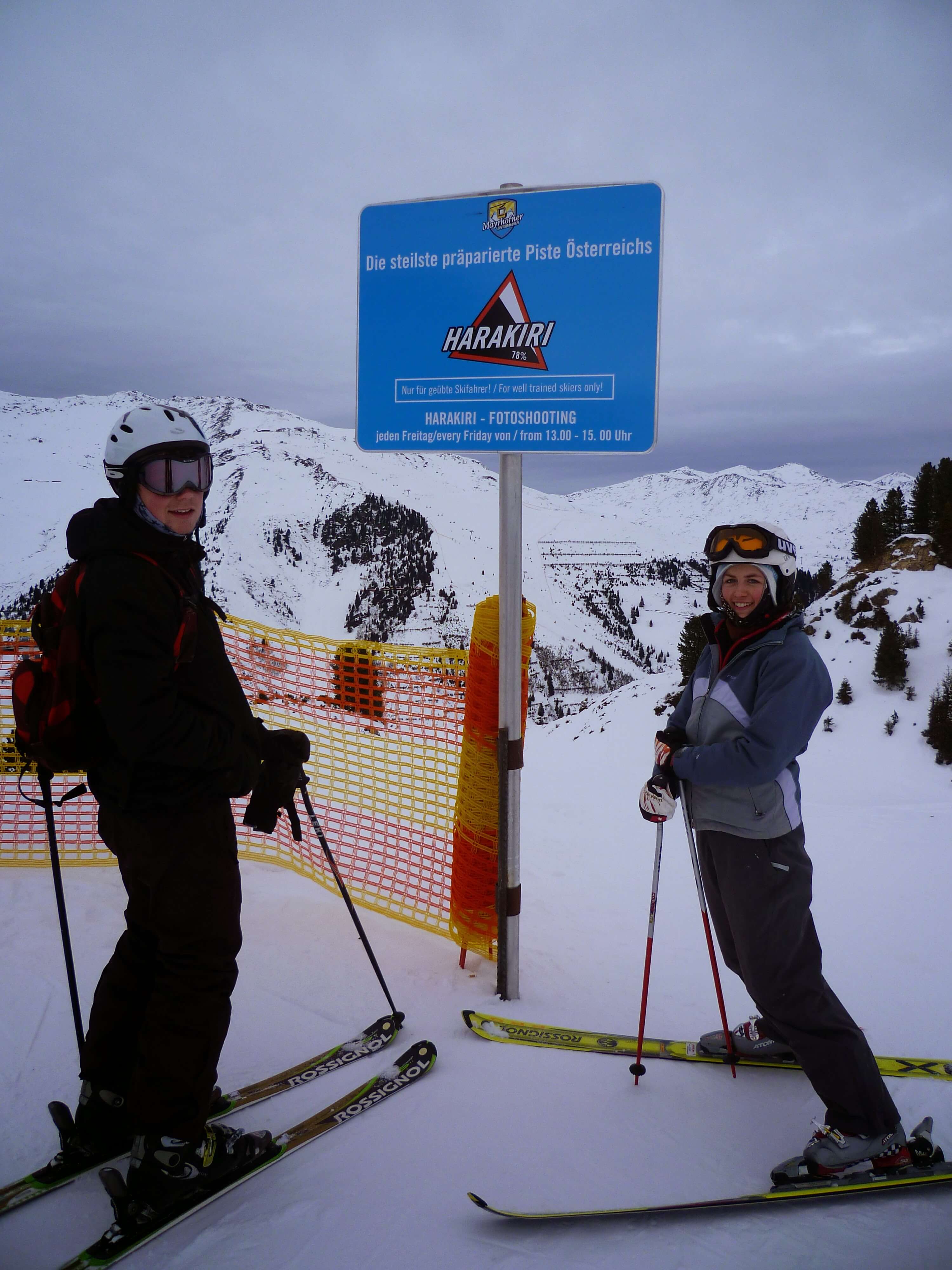
I try to ski with my friend Sevi every couple of years (he lives near the mountains in Germany) and my Aussie friend Anna-Lisa moved over to Europe last year so I’ve been lucky to see more of her!

Don’t expect your friends back home who didn’t go on a year abroad to “get it”
When I finally got back to the UK at the end of the year, when my home friends asked me how the year was, I found it really hard to properly communicate what it was like, because the year was so jam-picked with novel experiences, jarring life lessons and all-round adventures. This is another reason to stay in touch with your Erasmus friends; you all “get it”!
If you’ve done a year abroad, do you agree with these, and what would you add to this list? If you’re due to go on exchange soon and have questions, don’t hesitate to get in touch. Comment below!


Leave a comment