
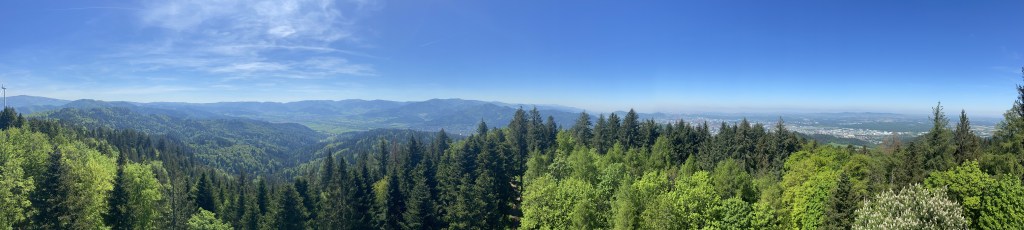
The ESC programme funds young people to go abroad for between 2-12 months, to work in an organisation that is contributing to the betterment of a local community, on topics including the environment, gender equality, sport, working with refugees and much more.
Back when I participated in the EU’s European Solidarity Corps programme (ESC), it was called European Voluntary Service (EVS).
Projects are mainly located in EU countries, but there’s a small amount of projects further afield. Here are the projects available as of January 2024:
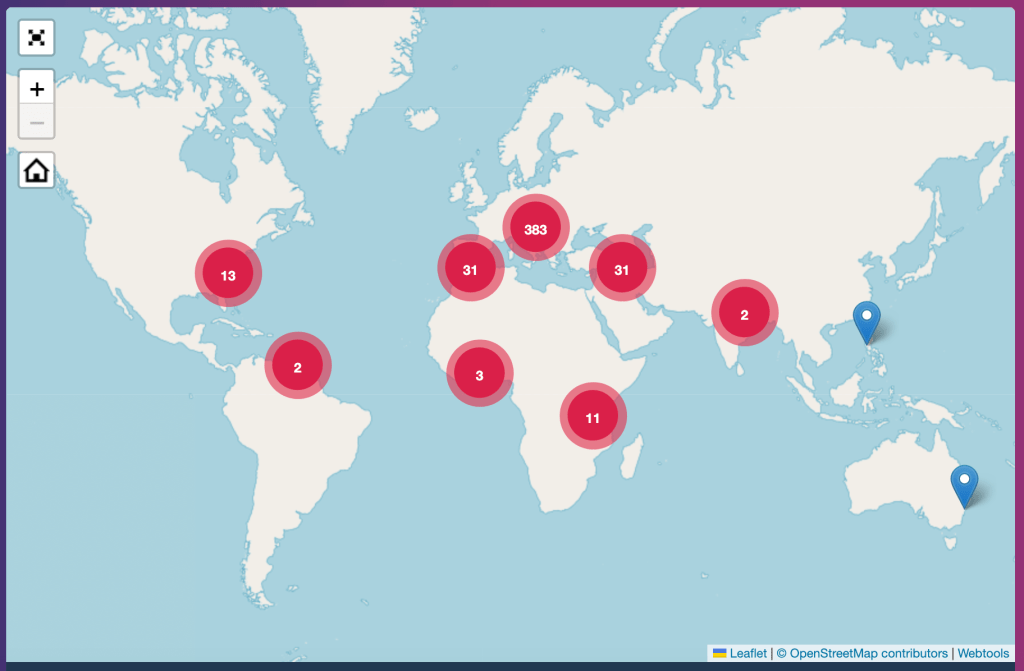
For an up-to-date list and details of individual projects, check out the European Youth Portal.
Naturally, because of Brexit, UK citizens are no longer eligible for this programme. The closest offer for UK citizens is the Turing Internship Programme. It’s open to anyone aged 18+, and provides opportunities to live and work abroad for 10-13 weeks. It’s fully funded, with some opportunities offering language courses, in the fields of TEFL and digital marketing. You can read more about the placements on offer and the eligibility requirements here.
If you are a resident in a country in the European Union, or in one of the third countries associated with the Erasmus+ Programme like Iceland, Liechtenstein, North Macedonia, Norway, Serbia and Türkiye, then this is for you! Given that the programme accommodates third-countries, I’m crossing my fingers that the UK will be able to participate again in the future.
Beyond this, the only other requirement is that you are between the ages of 18-30. You do not need any professional experience or particular qualifications.
What’s covered?
- Basic costs for travel to and from the project, accommodation and food; this varies from country to country, according to the country’s cost of living; back in 2016 I received around 750€ a month
- Basic insurance
- A small allowance for personal expenses (3-6€ a day)
My experience
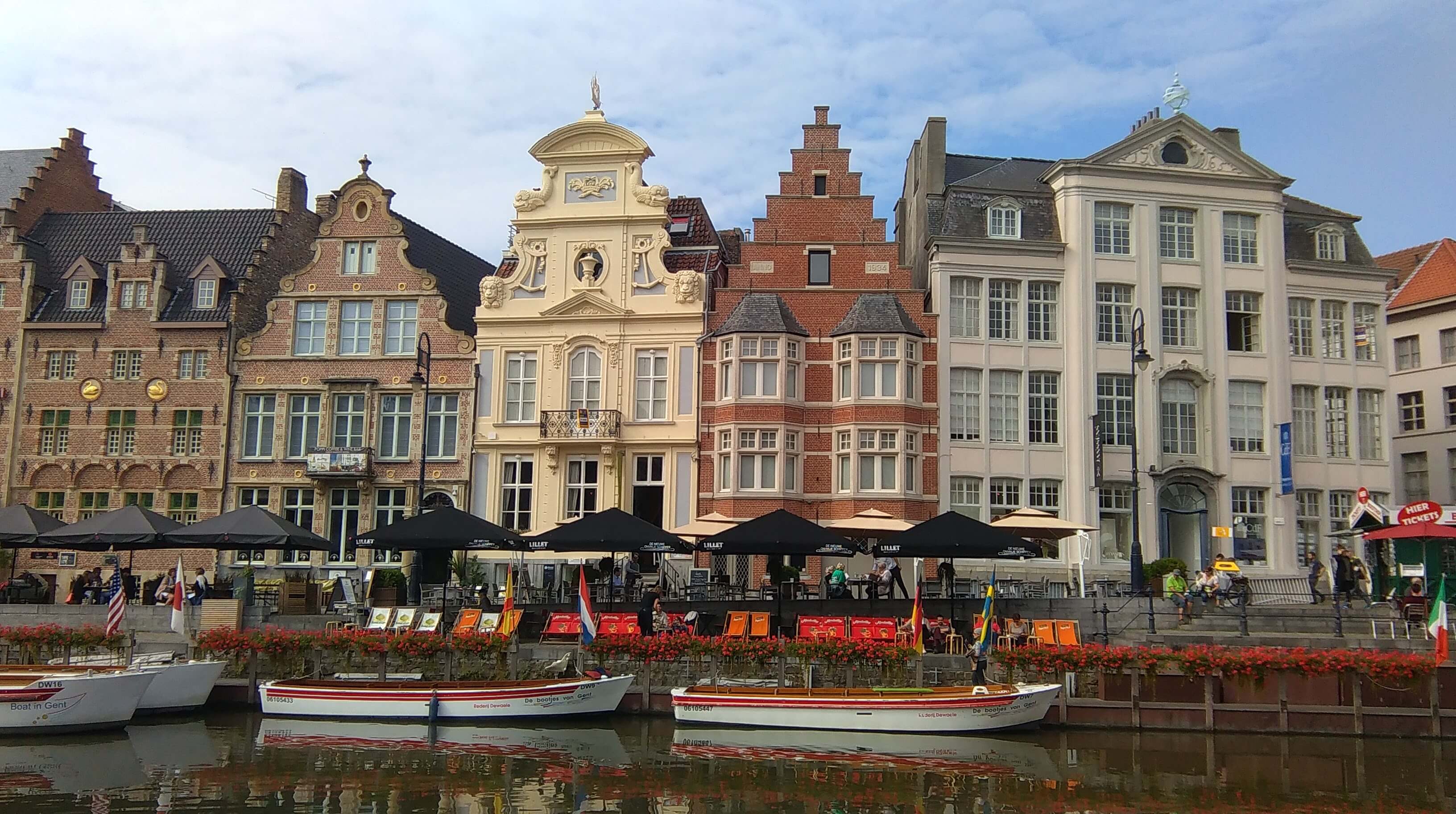
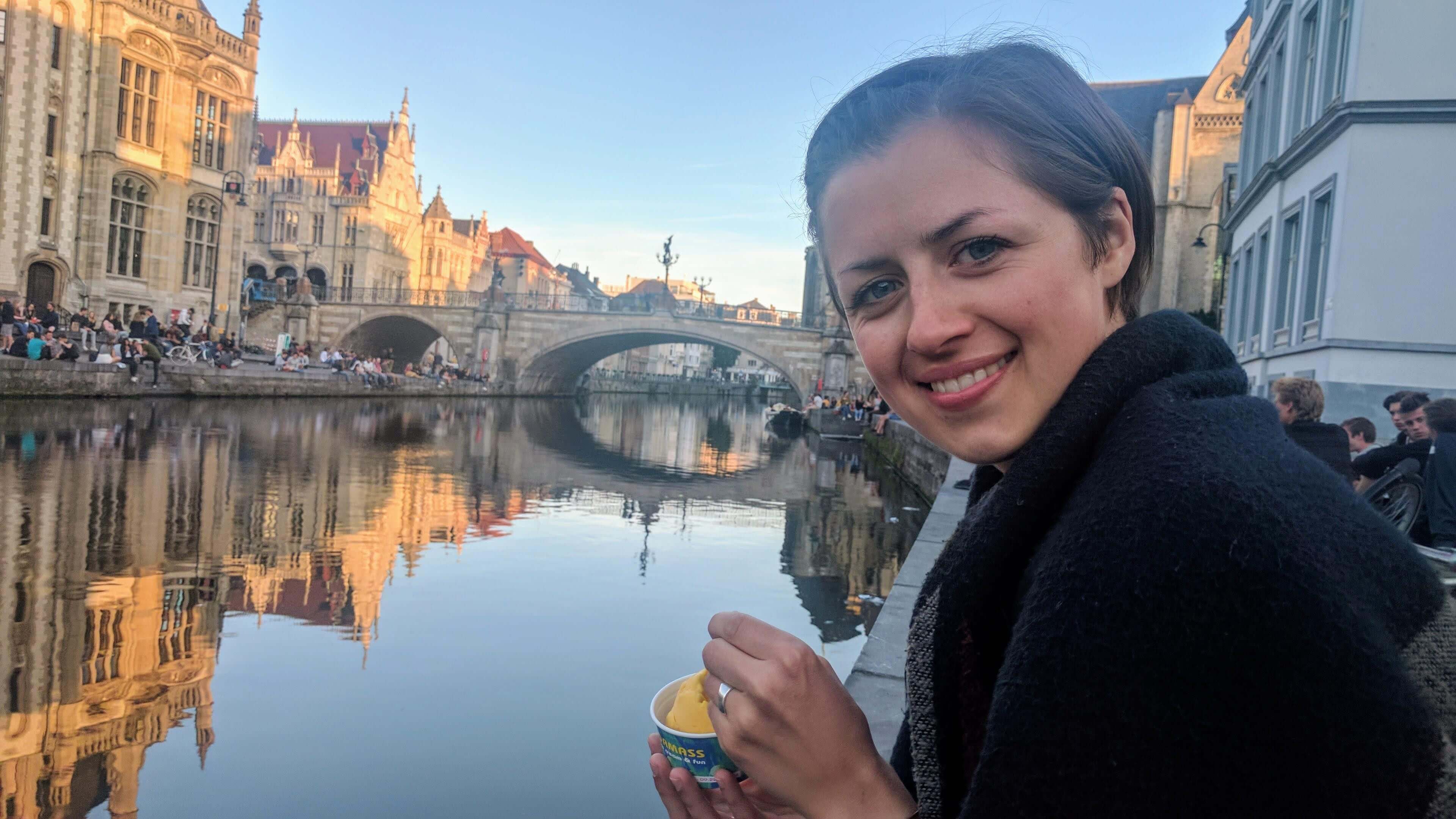
My ESC experience took place in Ghent, Belgium. I was originally desperate to go and live in Portugal, and I applied for various projects there, only for none of them to work out.
By the time my offer from Ghent came in, I had two more offers on the table:
- A Euro-African project to promote Esperanto, based in Rotterdam, the Netherlands
- A reintegration project for refugees based in Chisinau, Moldova
I chose the project in Ghent in the end, mainly for the organisation, which focused on environmental issues in Latin America (which is where my Spanish came in handy!), and the project – whose primary function was an educational one – which centred around awareness raising amongst the general public and students in higher education. Oh, and I googled pictures of Ghent..!
I gained a huge amount of experience through my project.
I spent time travelling all over Belgium, helping to host talks and events about our mission in Antwerp, Brussels, Leuven and other cities.
We even participated in the 2017 Anti-Trump March in Brussels.
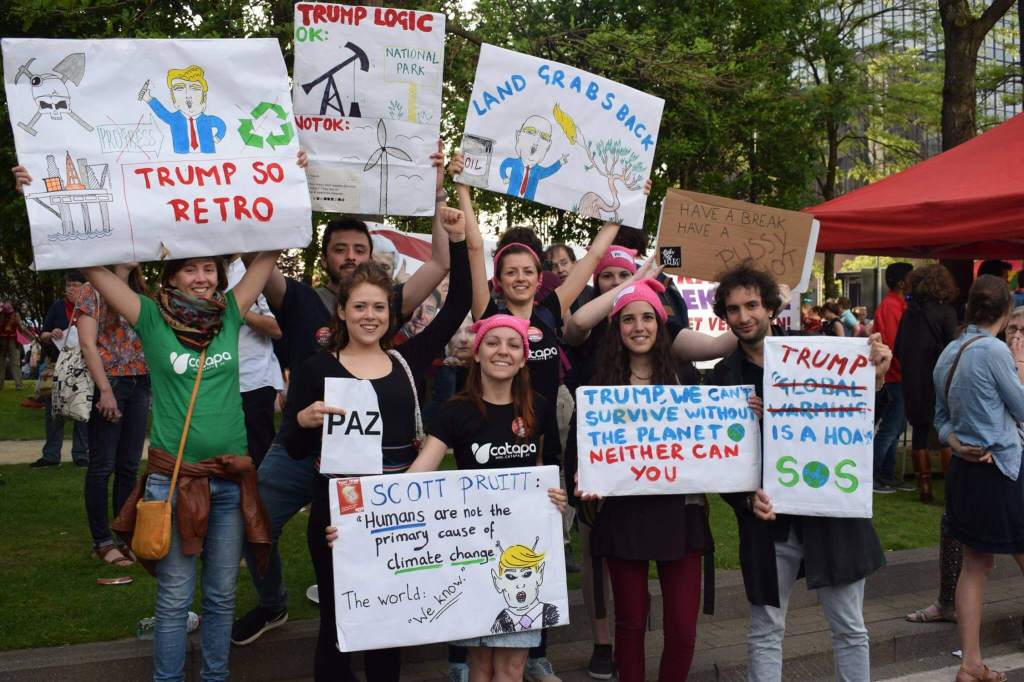
And I made a friend for life, who I visit in Ghent whenever I can!
Ghent is often overlooked by Bruges, but in my opinion, is a cut above all Belgian cities. It has the chocolate-box beauty of Bruges, minus the feeling that it’s a city just for tourists.
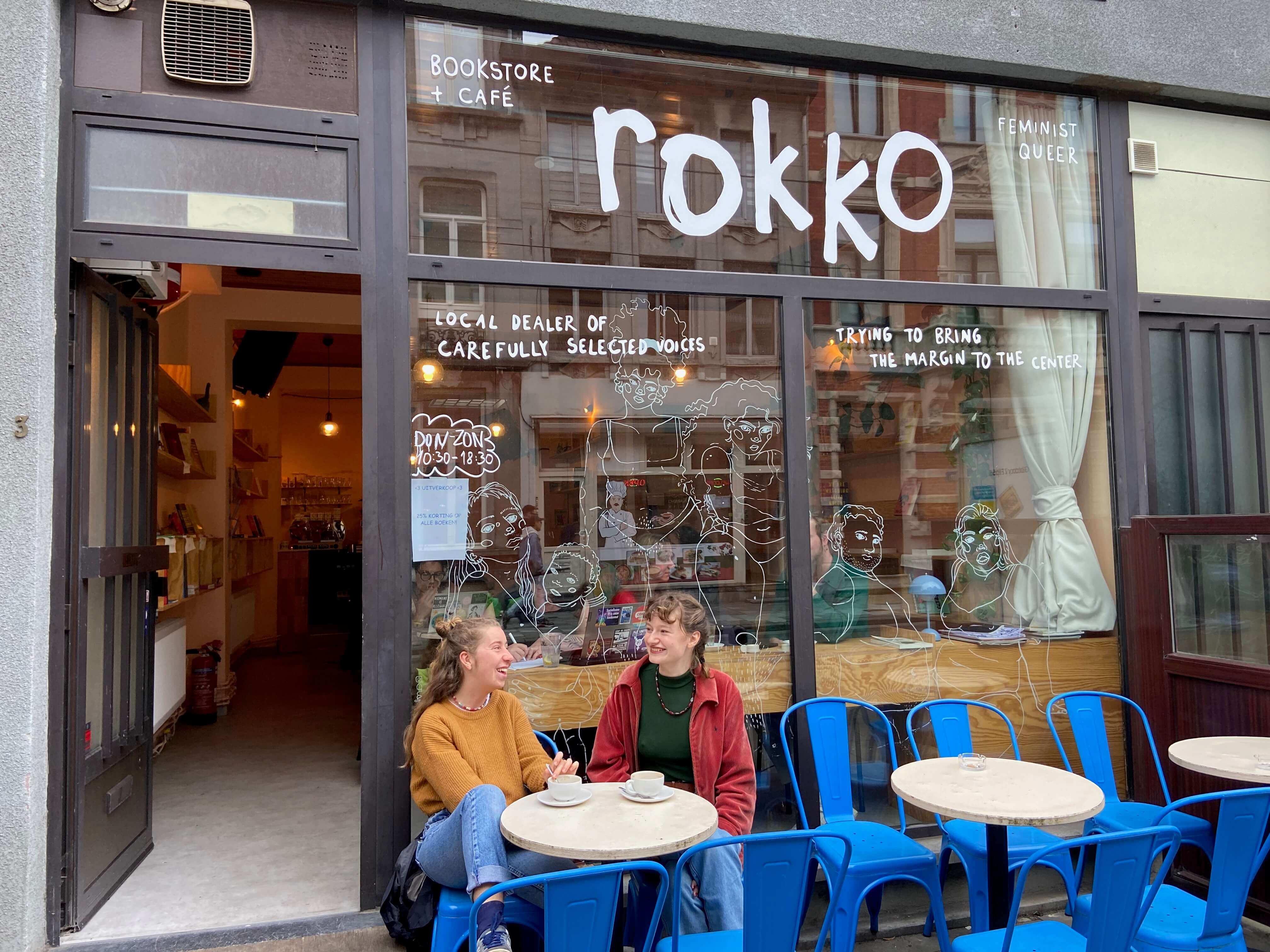
It’s a bustling student, working and eco city, with so much to offer. It’s known as the vegetarian capital of Europe, due to its plethora of vegetarian restaurants and forward-thinking food policies. For example, all public institution canteens have “Vegetarian Thursday,” where only vegetarian food is served.
It’s an incredible place for sensational beer, delicious food and beautiful architecture. The city also hosts Gentse Feesten every year.
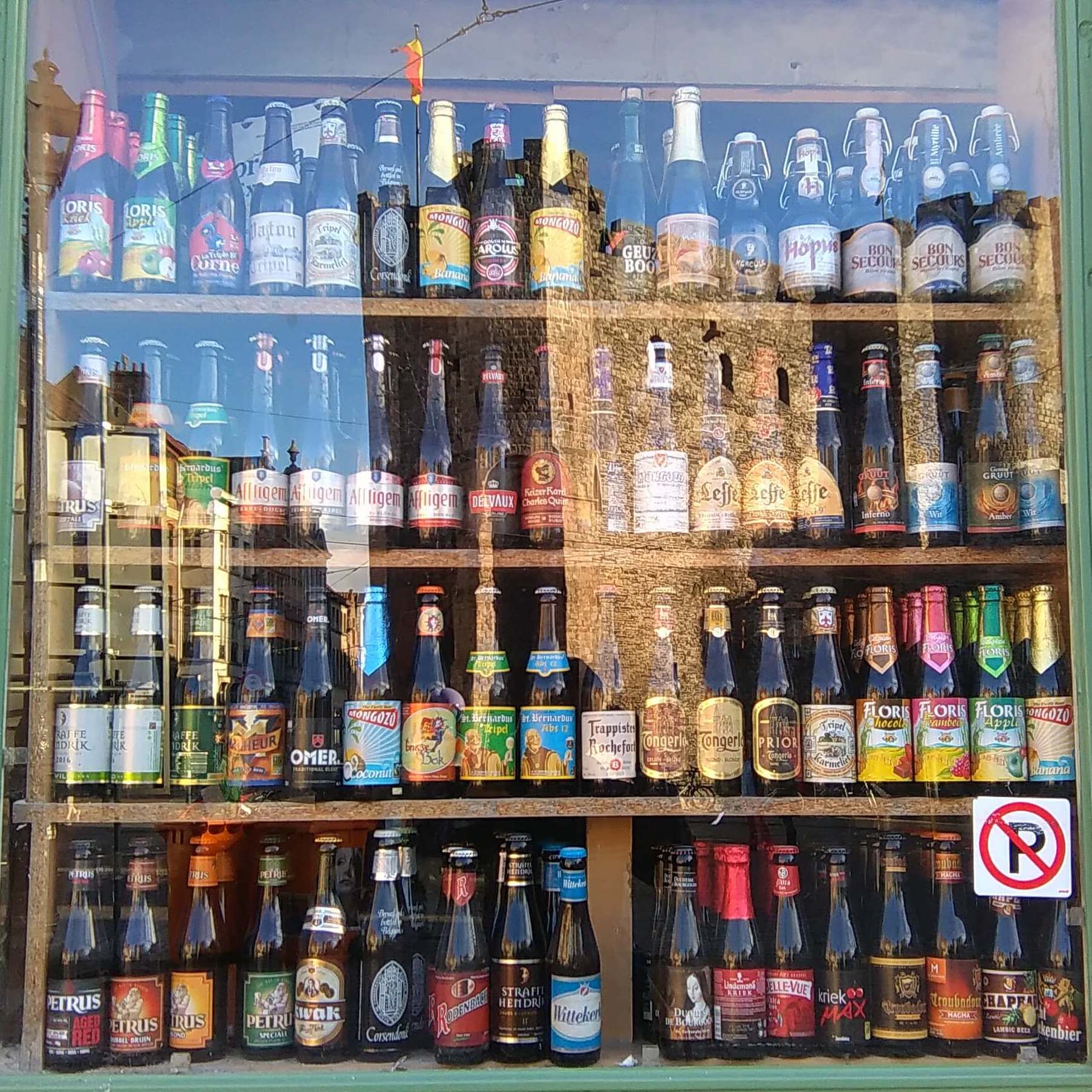

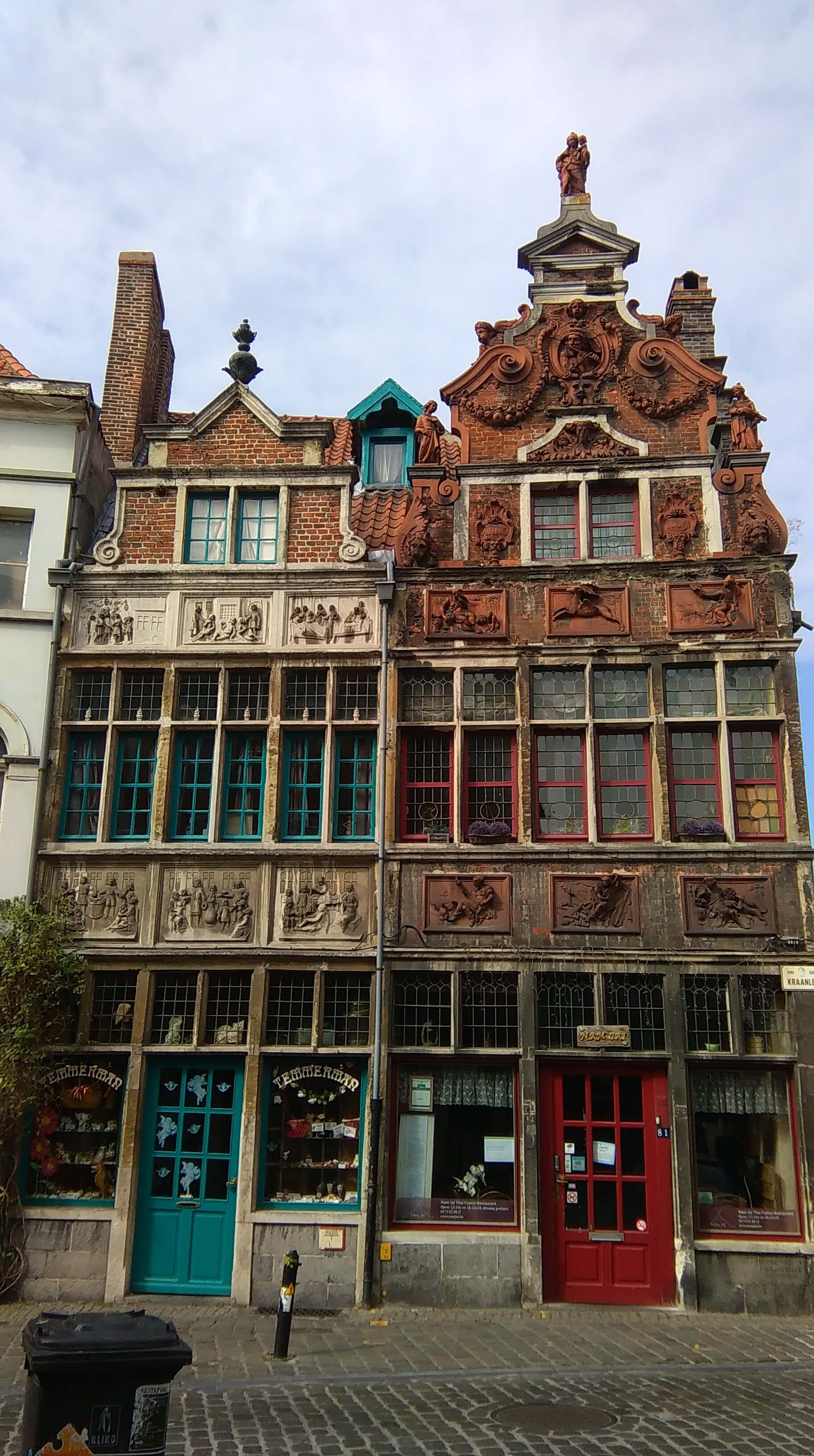

It never would’ve occurred to me to seek work in Ghent, but through the programme, I got that opportunity.
7 reasons to participate
Gain work experience
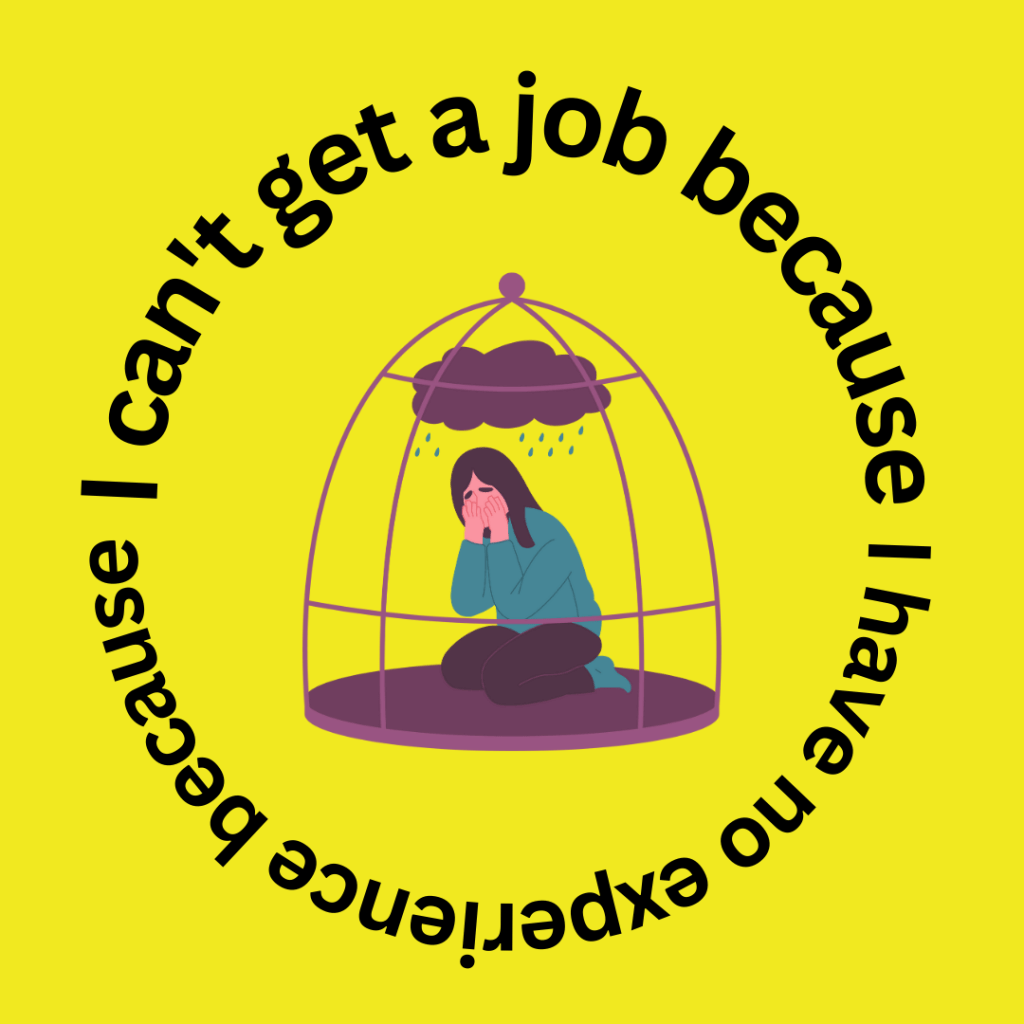
This programme is an amazing way to break the cycle plaguing young people these days, whereby we get stuck, unable to get a job, because we don’t have experience.
The organisations that participate in the programme are often very small and rely on funding and volunteers to function. This means that by participating, you will likely be given a key role in the project.
This is great news for anyone looking for useful experience; you won’t just be stuck doing the photocopying.
Learn new skills
You’ll learn so much by getting out of your comfort zone (your home country). You may learn specific skills like social media management, or how to lead a workshop.
You’ll also accrue hard evidence for lofty terms like “cross-cultural communication,” “experience working in an international environment” and “adaptability,” which are perfect for your CV and pesky “give me an example of…” interview questions.
Discover a different country
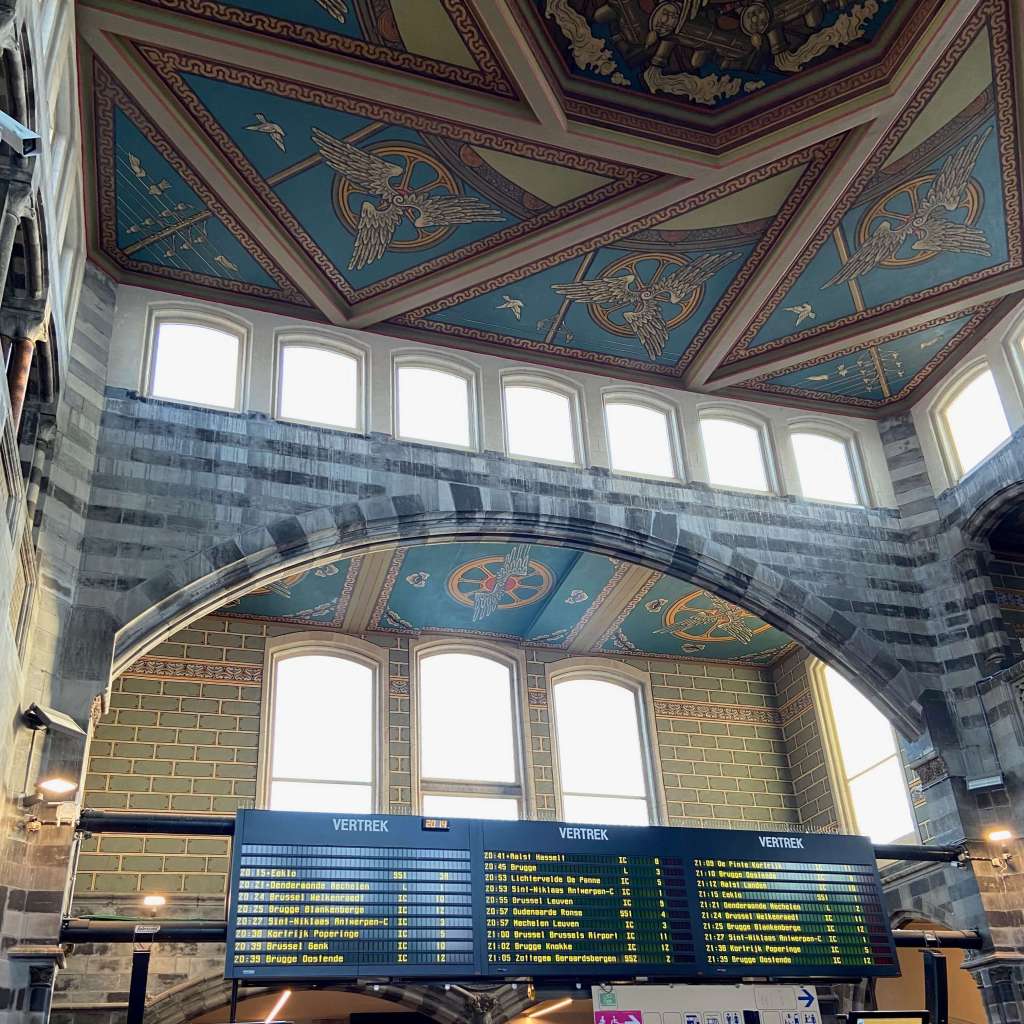
Discover a totally different culture, language and lifestyle, and a different launchpad from which to travel.
Depending on where you get an offer to participate in a project, a whole different geographical area to discover may be on your doorstep. I loved living on mainland Europe, as everything was so easily accessible by train.
Gain language skills
Language classes are funded by the programme for the first few months of your stay abroad. I tried my hand at Flemish for the first part of my stay. I totally flunked Flemish, but it was still a lot of fun!
Make a difference
All of the projects approved by the programme are targeted at making a positive difference on a local level. This means you get to see the positive impact of your work in your new community.
You’ll expand your horizons
Exposure to everything from new foods, to new hobbies and values can only be a good thing. It’s been proven that living abroad can give you a clearer sense of self; lean into it!
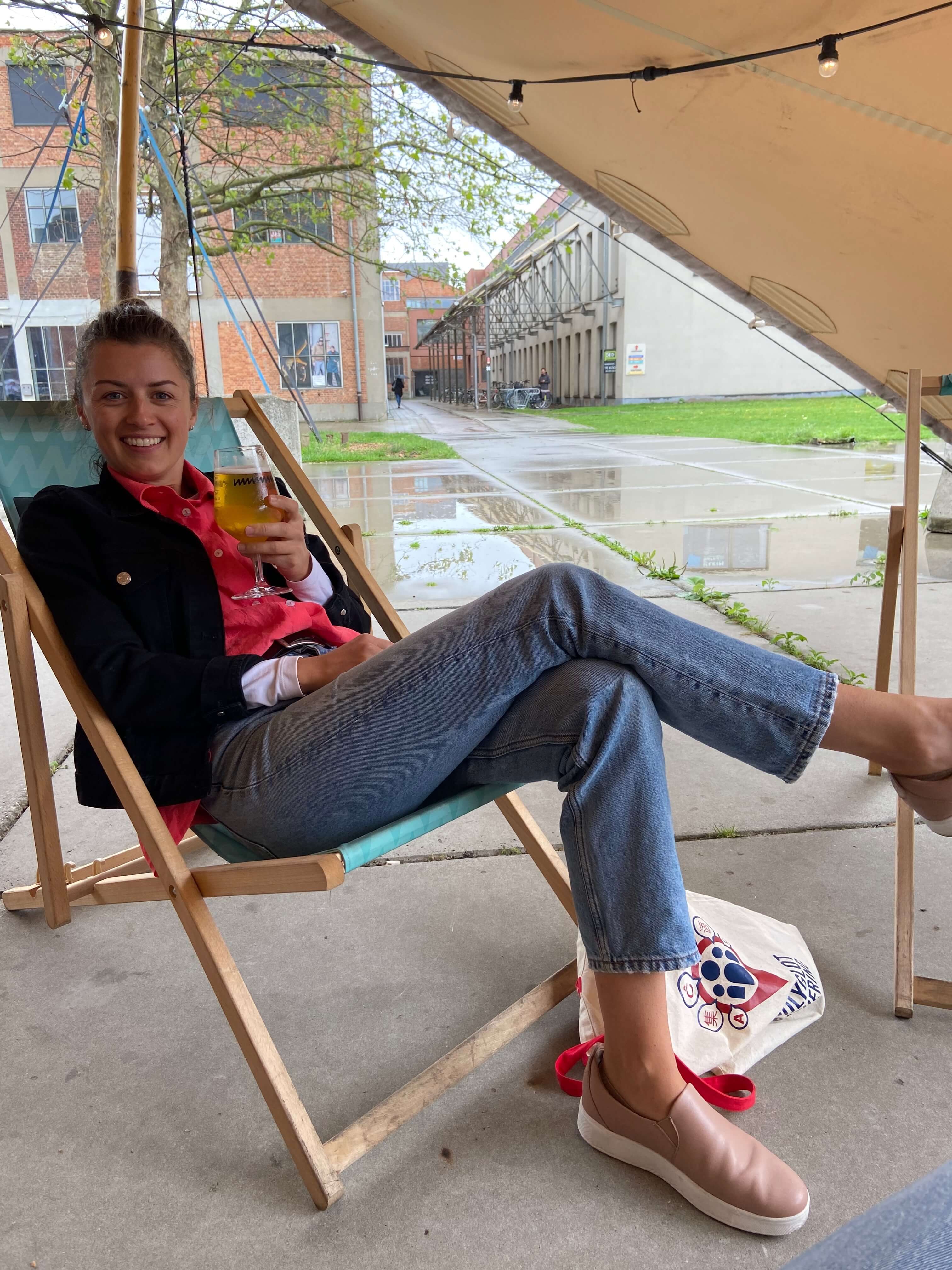
I recently tried a La Chouffe coffee in Ghent; who would’ve thought coffee and beer would make such a good combination?

Use it as a stepping stone to emigrate permanently
If you decide you really like your host city during the programme, why not try looking for a job there once your ESC contract is up?
I applied for a million things under the sun during my stay; having studied International Relations at university, I was convinced I’d be able to get a job in nearby Brussels. Alas, it wasn’t meant to be. Most jobs I came across required working knowledge of French, and mine was simply not working, at that point. I gave a couple of jobs a shot in Ghent too, but was plagued by their need for Flemish speakers.
However, like any job search (aren’t they awful?), it just takes one for your life to transform completely, which could allow you to settle indefinitely somewhere as dreamy as Ghent!
Things worth doing:
Get in touch with the previous participant
Ask your organisation to put you in touch with the person who is/was on placement before you, if there was one. If they’re leaving the city, their room may be available, and will be within your budget, since they received the same stipend that you will. This is what I did; it made the move so much smoother.
Keep track of all tasks that you do on a spreadsheet, for your CV later
It’s really important to keep a record of tasks that you complete and things you achieve; they’re really easy to forget over time, but make for great material for your CV and future interviews.
Re-write your job title on your CV later
This is a shushhhhhh recommendation… Back when I participated, the previous name of the programme – European Voluntary Service – made me write “EVS volunteer” on my CV for some time.
This did not tell potential employers about the nature of my role, and did not reflect the level of responsibility I had. So I decided to review the description of my role and give myself a new title. Just stick in a “Junior [something related to your tasks e.g. communications/events/…] officer. And bingo, you’ve got some experience that HR may take notice of.
Have friends and family visit
If you have people come and visit you, you’ll realise how much you’ve learnt about your new home in a short space of time; I love playing tour guide in new cities I move to.
Get to know other participants
Ask your sending organisation (this is just a bureaucratic term for the people from your home country who organise your paperwork for you) to put you in touch with other volunteers who are participating in projects near you. If this is your first time living abroad, then it might be nice to touch base with other young people in the same position.
And get to know people who are due to participate from your home country at the same time! Your sending organisation can help you with this too.
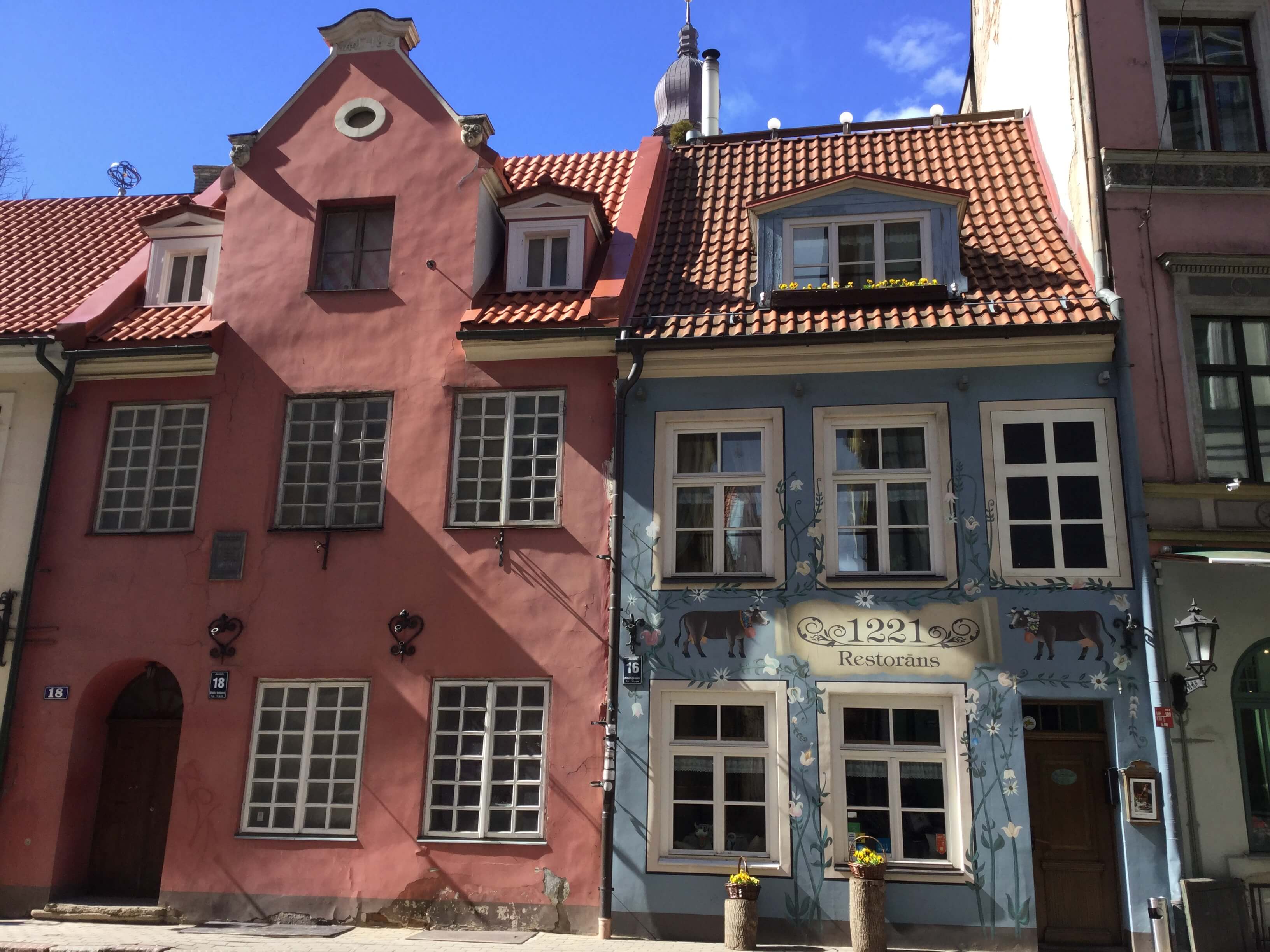
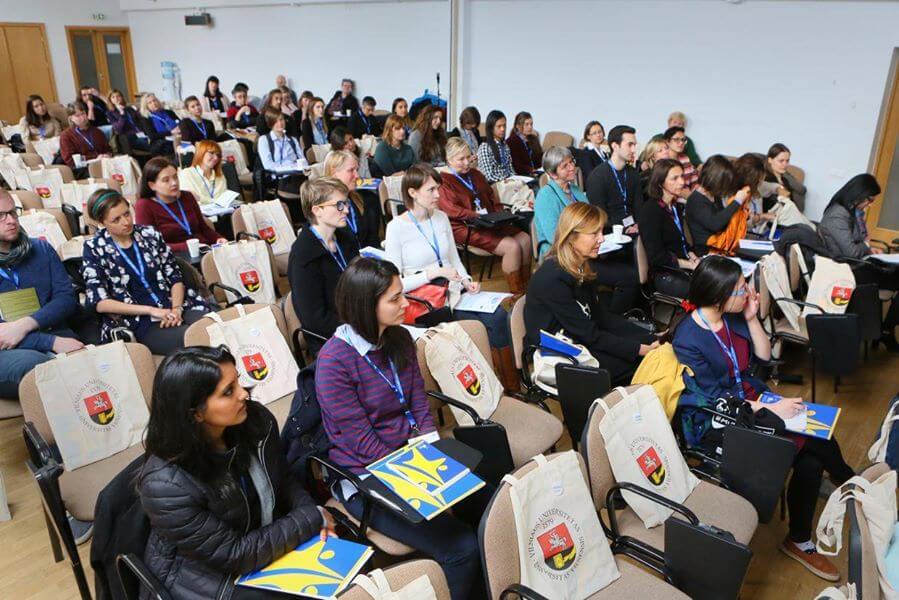
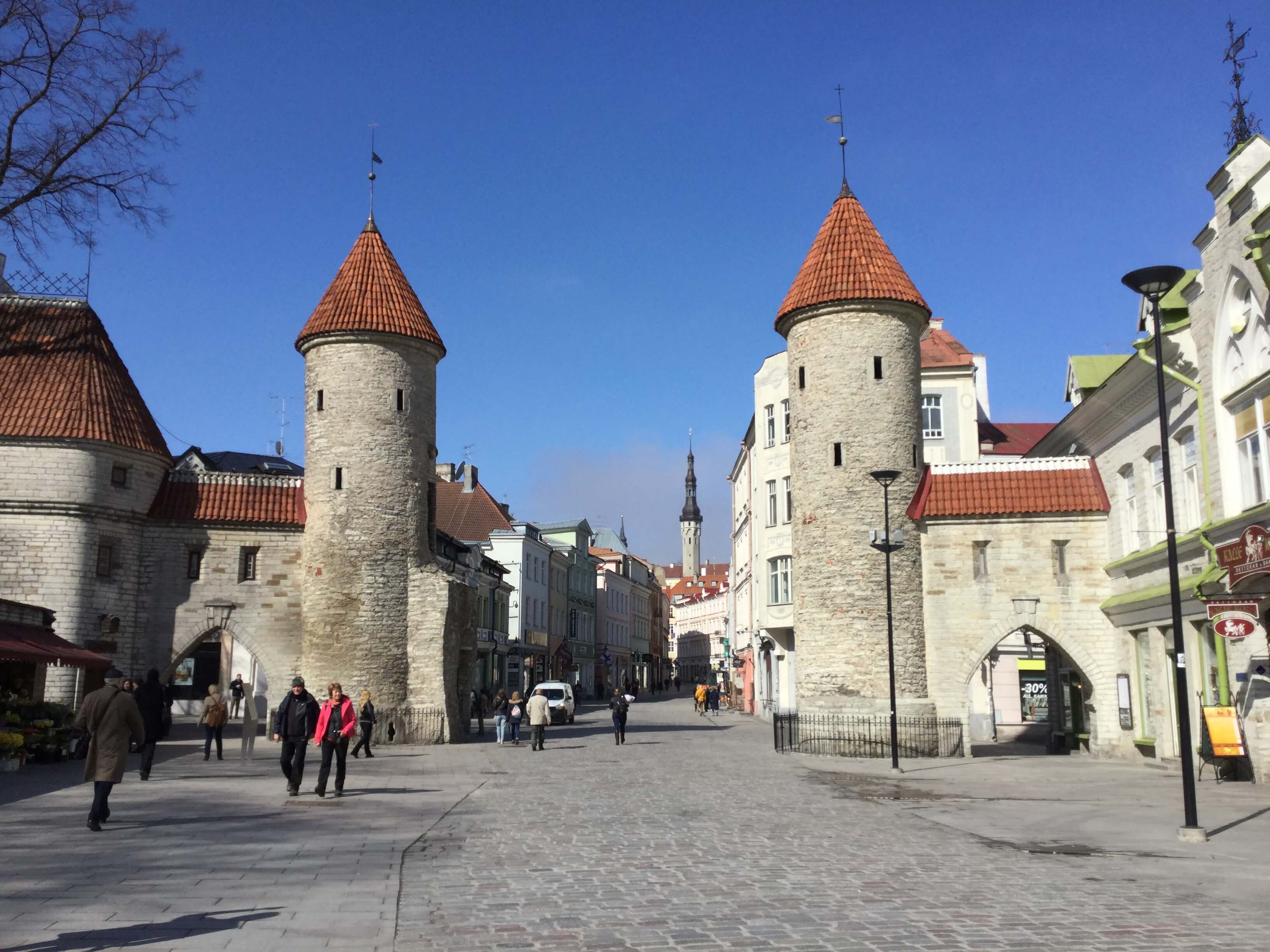
A good friend of mine accepted a project in Lithuania the same year I was in Belgium; we planned a trip around Lithuania, Latvia and Estonia whilst he was there. The trip even spurred me on to apply to present my Master’s thesis at a conference that happened to be taking place in Vilnius, Lithuania, during the same period. Something else for my CV!
Convinced? Start dreaming (and planning) here by browsing available projects. If you’re unsure, and have questions, let me know in the comments!


Leave a comment