

All Latin languages are plagued by (or blessed with, depending on how you see it) a system whereby certain words change meaning if you switch up the gender.
This can have hilarious consequences, because, rather than irking the French, for example, by making a chronic gender error (which is also easily done, just ask Tatty MacCleod), you can end up using a legitimate French word, but saying something completely different.
This often occurs because the same word, with different genders, can have completely different word origins, meaning that whilst the words are now exactly the same, they are not necessarily etymologically linked.

Here are some common words whose meanings completely change if you switch the gender:
Le capital ≠ la capitale
Le capital refers to money (as in, capital, in English), whereas la capitale means “capital city.”
This one’s not so difficult as we have the same distinction in English between earning capital and capital cities!
La mousse ≠ le mousse
La mousse refers to my favourite French pudding, whereas le mousse refers to a boy serving on a ship, or a “cabin boy.” These words have completely different origins.
The pudding is named so due to its texture, with the word originating from Old French mosse (“moss”), from Frankish or Old Dutch *mosa (“moss”), from Proto-Germanic *musą (“moss, bog, marsh”).
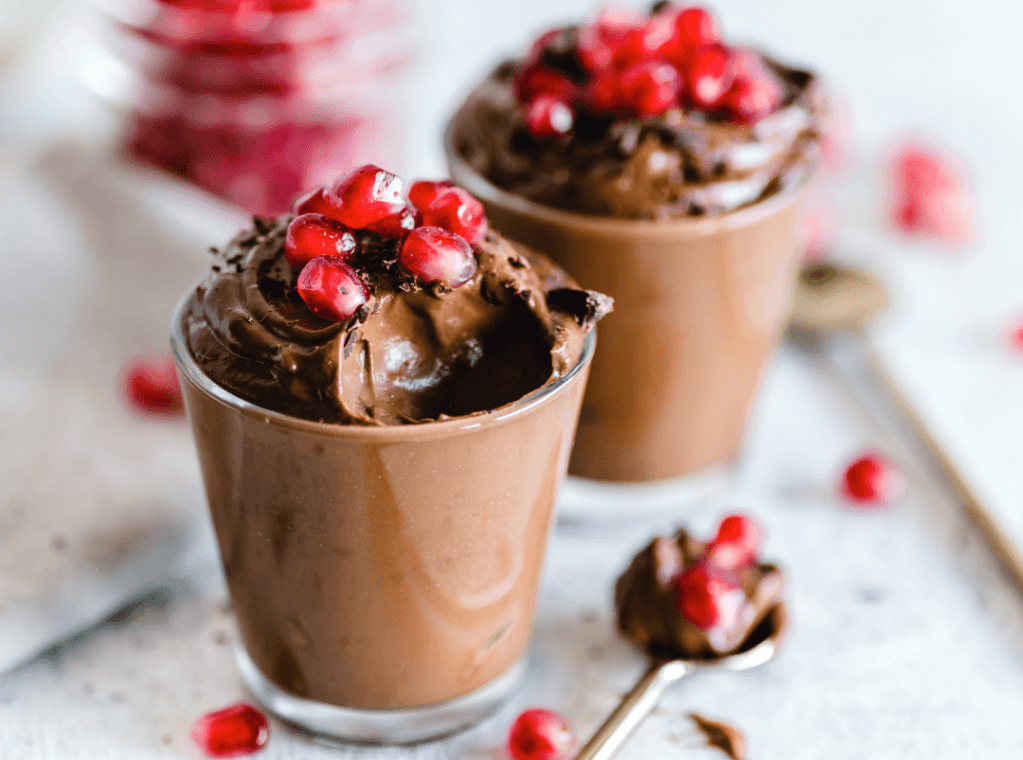
On the other hand, le mousse derives from the Spanish word mozo, meaning “lad” or “youth.”
It’s this error that led me to order a “cabin boy” instead of a chocolate mousse in a restaurant last year…
La greffe ≠ le greffe
Une greffe is a transplant or graft (of an organ). Le greffe is the court administration service. Quite different!
Le légume ≠ la grosse légume
Un légume is of course, a vegetable, whereas la grosse légume is the equivalent to English’s “the big cheese” or “the big shot.” To say “big vegetable,” you’d say gros légume.
Il y a toujours une grosse légume qui cherche à fuir en hélicoptère = There’s always a big cheese trying to get away in a helicopter.
Le livre ≠ la livre
Most will know that un livre is a book, whereas une livre is a Pound Sterling, or a pound (lb) in weight.
Le mémoire ≠ la mémoire ≠ des mémoires
La mémoire is memory, referring to our capacity to memorise or recall things. E.g. Il paraît que les mots croisés développent la mémoire = apparently, crossword puzzles improve memory.
This is distinct from the actual memories we may recall, for which the word souvenir is more commonly used. For example, a childhood memory = un souvenir d’enfance.
Le mémoire refers to one’s thesis or dissertation at university. Finally, des mémoires refers to someone’s memoir(s).
Le page ≠ la page
La page is simply, a page, whereas un page can refer to a page boy or squire, or a young boar.
Le physique ≠ la physique
La physique refers to physics, whereas le physique relates to our bodies, our physique.

Le somme ≠ la somme
Une somme is a total or sum (deriving from the Latin summa) whereas un somme refers to a nap, or siesta, (deriving from the Latin somnus):
Mon grand-père fait toujours un somme après le déjeuner = My grandfather always takes a nap after lunch.
Le voile ≠ la voile
La voile refers both to the sport of sailing and to the physical sail itself, whereas le voile means “veil” of any kind.
Le tour ≠ la tour
Une tour refers to a tower, whereas un tour has many meanings:
A circuit/path around: la ville a décidé de réaménager le tour du lac pour le rendre plus agréable = the municipality decided to redevelop the path around the lake to make it nicer.
Circumference: Sophie a un tour de taille de 85 cm = Sophie has an 85 cm waist.
A lap: le tour du village ne devrait vous prendre qu’une heure = a turn around the village shouldn’t take you more than an hour. Au dixième tour, le coureur français était toujours en tête = the French runner was still ahead on the tenth lap.
A quick stroll: je reviens, je vais faire un (petit) tour = I’ll be back; I’m just going for a quick walk.
There are even more meanings, which you can see on wordreference.com.
Le poêle ≠ la poêle
Une poêle is a frying pan, whereas un poêle is a wood-burner.
Le moule ≠ la moule
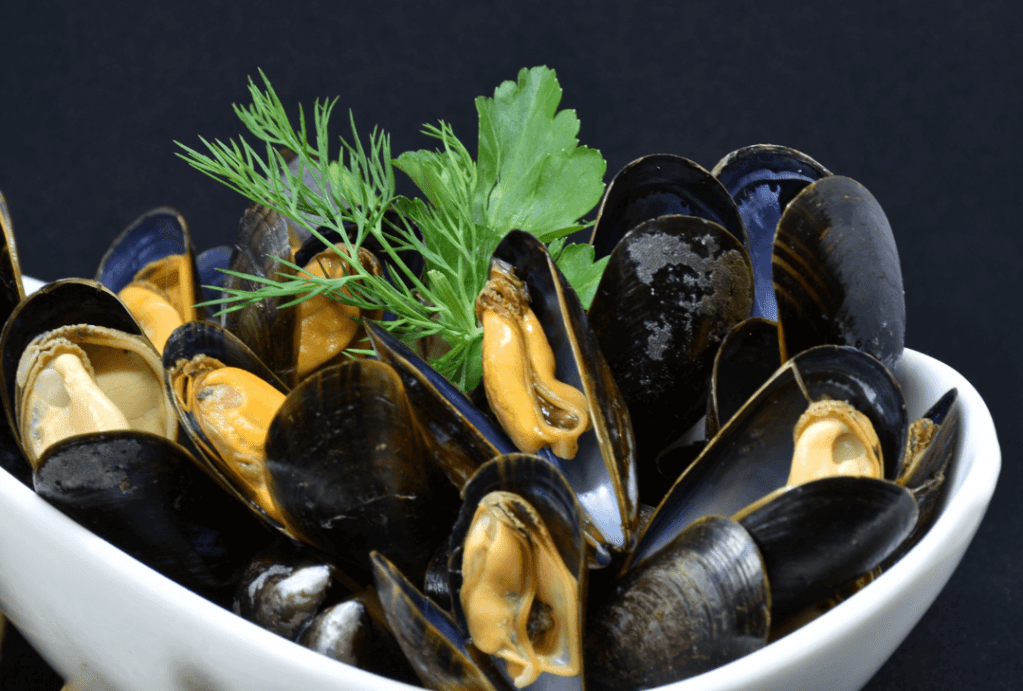
Une moule is a mussel, but attention! La moule can also describe female genitalia.
Un moule can be:
A baking tin: pour cuire mon gâteau, je le mets dans un moule = to bake my cake, I put it in a baking pan.
A hollow impression: l’enquêteur demanda un moule des traces de pneus = the investigator requested a mould of the tyre tracks.
A (role) model/ideal/template: les étudiants de cette école sont tous du même moule = the students in this school are all from the same mold.
Le manche ≠ la manche ≠ La Manche
La manche means 1) sleeve or 2) begging: la mairie a pris un arrêté interdisant la manche dans les quartiers touristiques = The local authority has banned begging in tourist areas.
When capitalised – La Manche – refers to 1) The English Channel 2) The Manche department of lower Normandy 3) La Mancha region in Spain.
Le manche refers to a handle of some sort, whether the handle of a broom, the neck of an instrument or the grip of a racket: tiens ta cuillère par le manche = hold your spoon by the handle. Le manche de ma raquette est trop gros = the grip of my racket is too thick.
Le vase ≠ la vase
Un vase means “vase,” whereas la vase refers to mud: il y a de la vase dans le fond de l’étang = there is mud at the bottom of the pond.
La mi-temps ≠ le mi-temps
La mi-temps refers to the halves of a sports match, or half time: un match comporte deux mi-temps séparées pour une période de repos = a match consists of two halves with a break for a rest.
Le mi-temps means part-time or part-time job: après la naissance de sa fille, Christine a demandé un mi-temps = following the birth of her daughter, Christine asked to work part time. Simon s’occupe de ses enfants et travaille à mi-temps = Simon looks after his children and has a part-time job.

Final thoughts
There are many more words that function in this way; the joy of French is noticing the tiny gender details to decipher something you thought you recognised but that may well be completely new to you.
Have you been caught out by any words that have different meanings with le and la, in French or any other language?


Leave a comment