

Have you ever thought “I’d love to produce a podcast,” “I feel like there’s a book in me,” “I know how I’d solve X problem,” or simply, “I’ve got knowledge I think people would benefit from”? Have these musings always been followed by thoughts such as “but I wouldn’t even know how to start,” “it would take too much time and effort” or “no one will read/watch/listen anyway”?
A friend of my mum once told me that “if you are doing it, you are it.” That is, if you paint, you are a painter; if you write, you are a writer, and so on. These things are true regardless of whether anyone has seen or paid for our work. It’s also true that in order to become good at something, first we have to be bad at it.
With social media, it’s easy to see other people doing amazing things and feel inadequate. Two key things to remember here are 1) they started off bad at it and put in lots of time and effort to improve 2) they’re highly likely to offer advice and help if you ask.
Here is a list of women in the language community who I really admire. I’ve met some of them in person, some I interviewed as part of the Wise Words of Women series at the 2023 Polyglot Conference Global, and the others jumped at the chance to pass on their wisdom when I reached out to them.
Get ready to feel inspired:
- The author: Maria Spantidi
- The community leader: Shahidah Foster
- The podcaster: Heidi Lovejoy
- The event organisers: Lindsay Williams, Shannon Kennedy and Kerstin Cable
- The content creator: Emily Harris
- The teacher: Liz Sharma
- Final thoughts
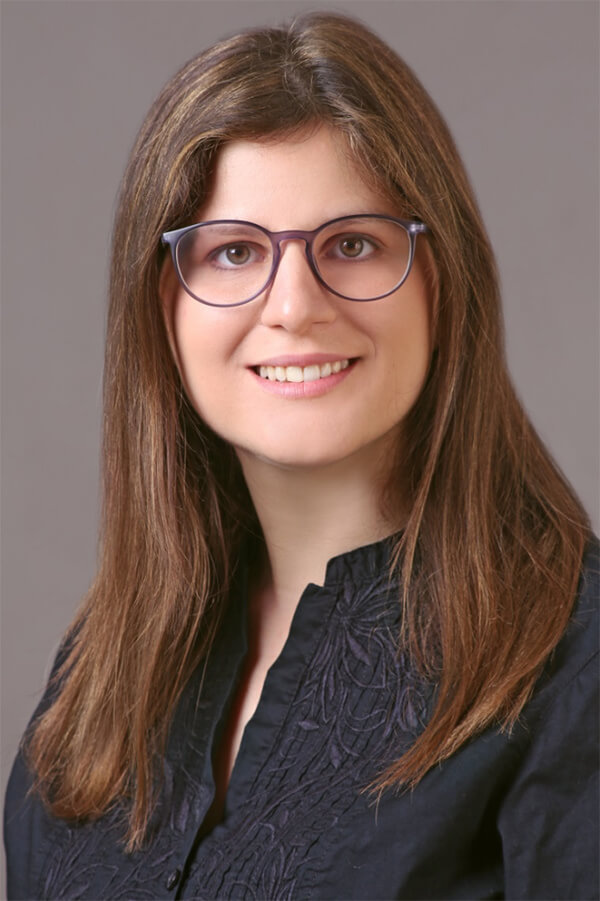
The author: Maria Spantidi
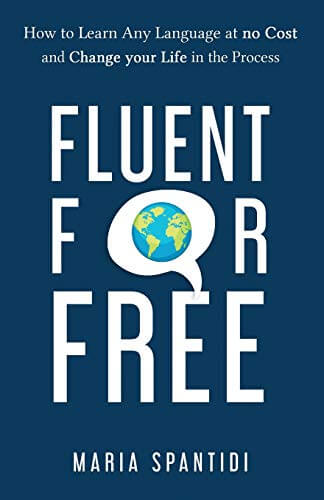
Maria is the woman behind my latest favourite book on language learning: Fluent For Free.
What made you decide to write a book?
Ever since I started learning languages for free and becoming fluent in them, I’ve wanted to share my tips and experience with the world. The final decision to write a book came after I moved to Germany, found a new job and changed my life completely thanks to German, a language I learned without spending a single euro. I felt this could be a way up for many people with time on their hands but little to no money.
How did you go about the process? What were the steps you took?
I wrote at least 1000 words every day. As every single language learning tip came from my life experiences, the writing process was smooth and fast and took less than a month. Then came the editing process that took a lot longer, so the book was published in 2020 instead of 2019, which was my initial plan.
Which parts of the process did you enjoy and which did you find frustrating?
I enjoyed writing. I never experienced the so-called “writer’s block” because I had such a desire to put my life experience into words and share them with the world. I didn’t enjoy editing, though. We can be the harshest critics of ourselves, and it’s hard to stop editing once you’ve started. Just like anything else we create, we have to consciously decide when to stop, otherwise it’s never ready.
What advice would you give to someone who would like to write a book but has no experience doing so?
Go for it! The internet is a vast source of knowledge and there are answers for every question you might have. I believe everyone has a book inside them waiting to be shared with the world.
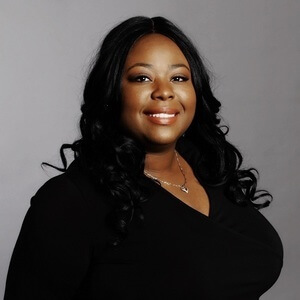
The community leader: Shahidah Foster
Shahidah is the woman behind Black Girls Learn Languages.
What made you decide to start Black Girls Learn Languages?
Ever since I was in high school, I wanted to connect with other Black women and muse about different things that are relatable from a cultural standpoint.
For example, there were some Black Vernacular sayings I would often wonder how to say in French, but when I would mention this to people who didn’t share the same language or cultural viewpoint, they would either laugh, make fun of me or I’d have to explain what I meant by the colloquialism. As an adult, when I noticed amongst the trend of Black girl communities like Black Girls Run or Black Girls Code, there was no Black Girls and Languages. So I decided to start it myself.
What are the features?
The first thing we offer Black women is a community of Black women who look just like them, probably have similar experiences and love languages as much as they do.
The second thing we offer is a place to amplify their voices with video and written interviews and give them a stage to shine with speaker slots in our Sisters Only Language Summit, a conference started by Desta (Languages Through Music), LeDonna (Discovering Language), Tamara (Spanish Con Salsa) and myself.
There are resources for French, Spanish and German on the site, but the ladies share resources for other languages in the closed, private Facebook Group for Black women. Our platforms include the public Facebook Fanpage, the closed Facebook group, Instagram, Youtube and the website. We also sell merch via Customized Girl (graphic tees, tote bags, mugs, etc.)
How did you start it?
I just went on and got all the handles on different social media platforms and just started researching language bloggers and topics. People started reaching out to me (like Jamila from Jamii Linguists and LeDonna from Discovering Language). They were so helpful in giving me guidance and letting me know I was going in the right direction. Even if you have no idea what you are doing, just get started and the rest will come over time.
What key things have you learnt through the process that you think would be useful for others keen to create a community space?
I’ve learned the only one expecting perfection out of me is me. Also, just be yourself and be authentic. Don’t be what you think people want and don’t try to relate to things that you can’t relate to. There’s always going to be someone you resonate with just by being you.
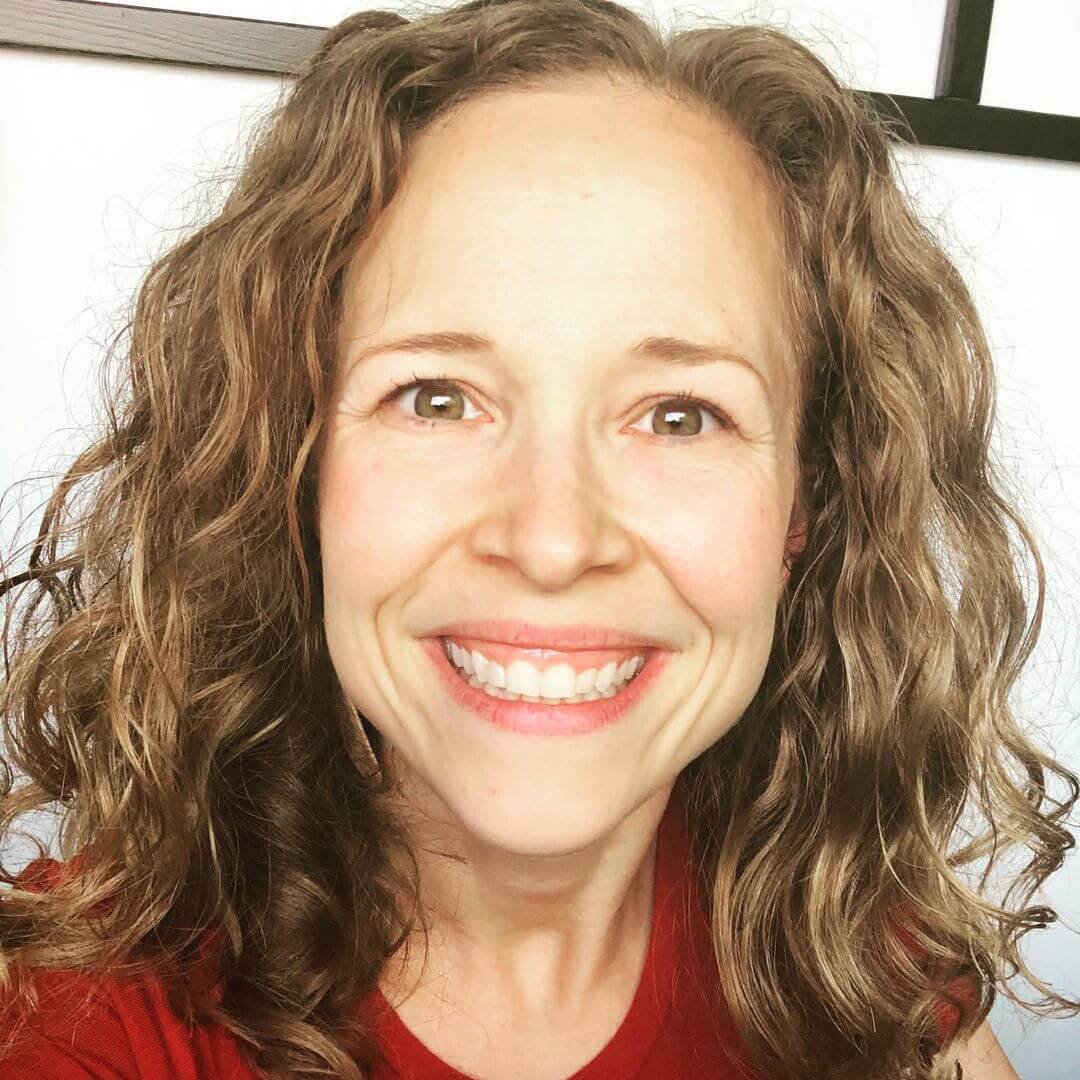
The podcaster: Heidi Lovejoy
Heidi is the woman behind the Love, Joy, and Languages podcast.
What made you decide to start podcasting and why did you choose to talk about language learning?
I wanted to start a podcast because I needed an outlet to share my story of perfectionism, which made me crumble when it came to language learning.
At the most difficult times, I couldn’t find any language learners quite like me, and I really felt like I was the only one who struggled with my particularities. But as I started to heal, find community, and talk about the problems I faced, I realized I wasn’t alone. Even if no one else was exactly like me, so many others shared in the struggles. So I started the show in order to talk about those hard things and, hopefully, let even one other person know that they aren’t alone.
How did you start your podcast?
I got started on my own after hours and hours of research and asking other podcasters for tips. I also bought Kerstin Cable’s Podcasting 101, which was worth every penny.
What’s your process?
Most of my episodes are just sharing the inner workings of my brain, so no research is required for those. I just spend about an hour organizing my thoughts. For interviews, I spend a couple hours digging into each guest’s work to learn more about who they are, what they do, and what makes them so valuable to our language community.
For a standard 20-minute episode, including recording, editing, loading the content and preparing the clip for advertising, I probably spend a total of 5 hours creating it. For a deeper topic that hits a really sensitive spot for me, add another 2-3 hours of scripting to work through all the associated thoughts and feelings.
What tech do you use?
I use Audacity for recording & editing. I use a Shure brand mic, which I love. I use Fireside as a host. I know several people who use Spotify for Podcasters (formerly Anchor) for everything. It takes a bit to get set up, but it’s really easy after that. Time, of course, but easy.
What advice would you give to someone thinking about podcasting?
My BIGGEST tip is: DO IT!!!! Podcasting is so fun. It’s a lot of work, but it’s fun. It’s opened many doors for me with/in the language community, and the connections I’m making with people are amazing.
The event organisers: Lindsay Williams, Shannon Kennedy and Kerstin Cable
Lindsay, Shannon and Kerstin created the Women in Language online conference to showcase the contributions of women in the language community, something they felt that at the time, was somewhat neglected in the mainstream language space.
Why do you think event organisers struggle to recruit female speakers?
Ok…so there are a few reasons I believe!
- If there are fewer women speakers at events, then women don’t see themselves represented and therefore don’t necessarily consider speaking at that event as an option for themselves. I don’t say that to patronise women, but representation does matter.


- Therefore, fewer female speakers apply for speaking positions.
- When female speakers do speak at events, I find in my experience, people seem to be more open to critiquing or arguing against their points made.
Do you think women experience and relate to the polyglot world differently than men?
Women are generally brought up ‘sugar & spice and all things nice’, right? Not to be boastful, be a lady, all of that jazz. So adding a claim about yourself such as “I am a polyglot” feels against everything we’re typically brought up to believe we should display.
How did you set about starting to organise the first event?
I had the idea for the event and shared it with Kerstin & Shannon because I knew it would be a big project. We then shared tasks between us playing to our individual strengths and went from there.
What are the features?
Initially we kept things simple. We had an email list connected to the hub where we hosted the event details. The live sessions were then hosted via Zoom. We then hosted a pop up Facebook group. As the event grew year on year, we added other social media profiles such as Instagram.
What key things have you learnt through the process that you think would be useful for others keen to create a community space or event?
Only commit to what you can maintain enjoyably for you. For example, we knew that we wanted the Facebook group to be for a short duration before, during, and after the event each year because with our individual responsibilities it would have been a lot to maintain outside of that time.
The content creator: Emily Harris
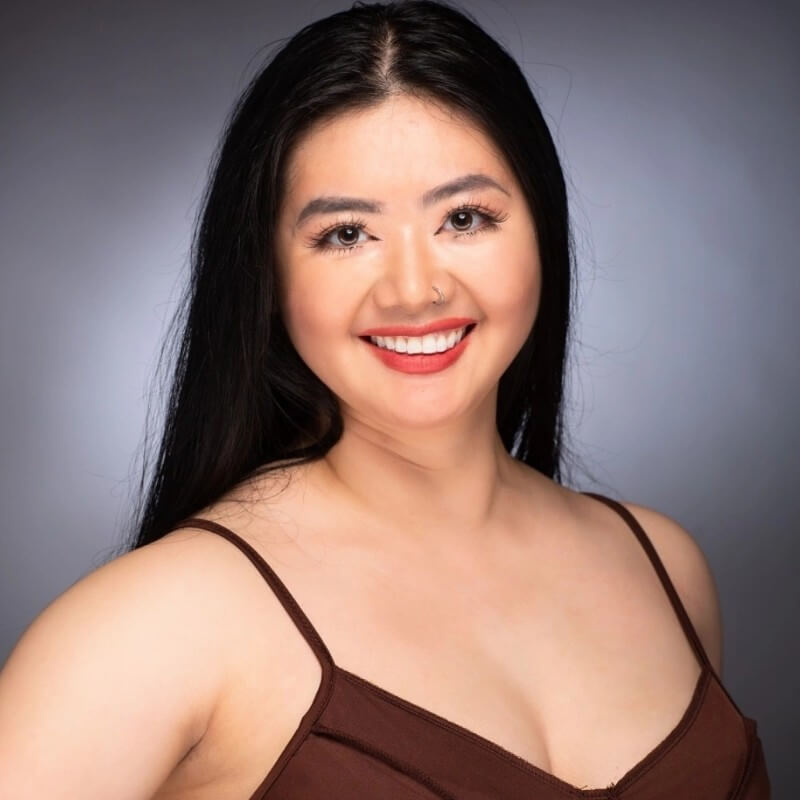
Emily is the woman behind the Language Travel Adoptee Youtube channel.
What made you decide to start a Youtube channel?
It started as a hobby/experiment out of boredom during the pandemic. I primarily started documenting my progress learning Russian (also out of boredom and needing a new project to focus on), as well as sharing some general tips and interviewing others.
What was your process getting started? Did you teach yourself all the techy stuff? What tools do you use to make videos?
I used my phone propped up on my lamp, and sat on the floor with my messy background and all, that’s it! I had to teach myself all of what I know now including video and audio editing, scripting, my camera, computer software, etc.
What have been the positive outcomes of running your channel?
I get to build a community around topics all related to language learning. I also get to meet others who have personally reached out detailing their own stories around identity, heritage, and the nuances of language learning as a heritage language learner.
My Language Wellness and Identity Podcast was further inspired by my YouTube channel! Other adoptees have found it really validating to tune in on how my own documentation of learning Chinese is going, too.
How long have you been running the channel? How long did it take to grow significantly in terms of subscribers? Did you change tack at some point to gain greater reach?
It’s been two years (really 3, but for one of those I took a year long break from YouTube to get my personal life figured out…it simply wasn’t the right time to focus on social media at that point).
It’s always the most challenging going from 0 to 1, as opposed to from 1 to 2. I stayed around 1000 subscribers and very low watch time since I still didn’t see YouTube as anything more than a hobby. This year, I founded my business, where I started to take everything more seriously on YouTube. I created a content strategy around what I was sharing, improved my equipment, my delivery of ideas, and camera presence, as well as editing skills. Only then did numbers and views start coming in.
What advice would you give to someone else thinking of starting a channel?
It feels scary and unnatural, but if you really want it, then don’t be afraid to simply make videos. All YouTubers cringe at what they first created, and I now have my earliest videos on private (though I do like to look back at them seeing how far I’ve come).
Don’t get the fanciest equipment to start. Other things like storytelling, camera presence and personality, delivery, editing style etc. need time to be nurtured. You can teach yourself anything, but be prepared to put in a ton of work. It’s fun and very rewarding, but definitely not for everyone.
The teacher: Liz Sharma
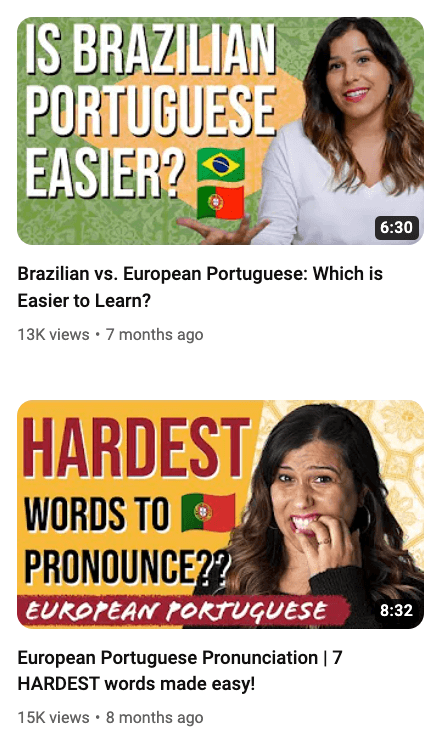
Liz Sharma is the creator of Talk the Streets business and Youtube channel, and the Portuguese Pro programme. Liz is a shrewd business woman who has very much cracked her market.
She found a gap in the market (the lack of resources for learning European Portuguese), carved out a niche (getting people from beginner to A2 level), and she has a very clear target audience, which includes people who have moved to or spend a good chunk of their year in Portugal, as well as those with family connections to Portugal.

Back in 2021, Liz spoke to Kris Broholm on his Actual Fluency podcast, where you can listen to the process of going from in-person teaching to becoming a business owner and Youtuber with 80+K subscribers. Here’s a glimpse of some of Liz sage advice; listen to the full episode here:
“I have two big pieces of advice if you’re thinking about starting Youtube. Number one is look at what’s already about there for your language and work out how you’re going to be different. So, here it was two things: it was the fact that I was coming at it from the perspective of a native English speaker who has learnt to speak Portuguese, and also the fact that I was focused on practical Portuguese.
The second thing you should do is invest in a course that is actually going to teach you how to show up, because it is one thing spending all this time making a beautiful video and then nobody finds you, because Youtube is a search engine, so you need to understand how to produce your videos, how to choose your topics, how to do your key words, so that you can show up on the first page when people search for your language.”
Final thoughts
For further reference, I kept my blog in private mode for 5 months before I published and shared my posts! My main pieces of advice are:
- Start your project as though you’re the only one who’ll ever see it, so that you don’t get bogged down by what others might think.
- Rely on free software and cheap hardware to start off (there are plenty of cheap mics on Amazon and phones are as good as a lot of cameras these days).
- Consider Bill Gates’ line: “Most people overestimate what they can do in one year and underestimate what they can do in ten years.” What starts small will grow with time, and before you know it, you’ll say “I did all of that!”
- Get support from the community: message people! We all love to share what we’ve learnt, especially when we’ve had to teach ourselves and seek advice from others!
Feeling inspired yet? What are you waiting for? Share your plans in the comments and let’s get started!


Leave a comment