

Lorna Likiza is someone who I have gotten to know recently, who I’ve found to be incredibly inspiring. Her success is a great example of the fact that “you miss 100% of the shots you don’t take.” Watch her video on getting her book published to see what I mean with this!
Back in October, Lorna spoke about the lack of coverage of African polyglots on the language scene at the 2023 Polyglot Conference Global.
Lorna is a writer, a published children’s book author and French teacher who lives in Mombasa, Kenya. You can find Lorna teaching French on her Youtube channel Learn French with Likiza.
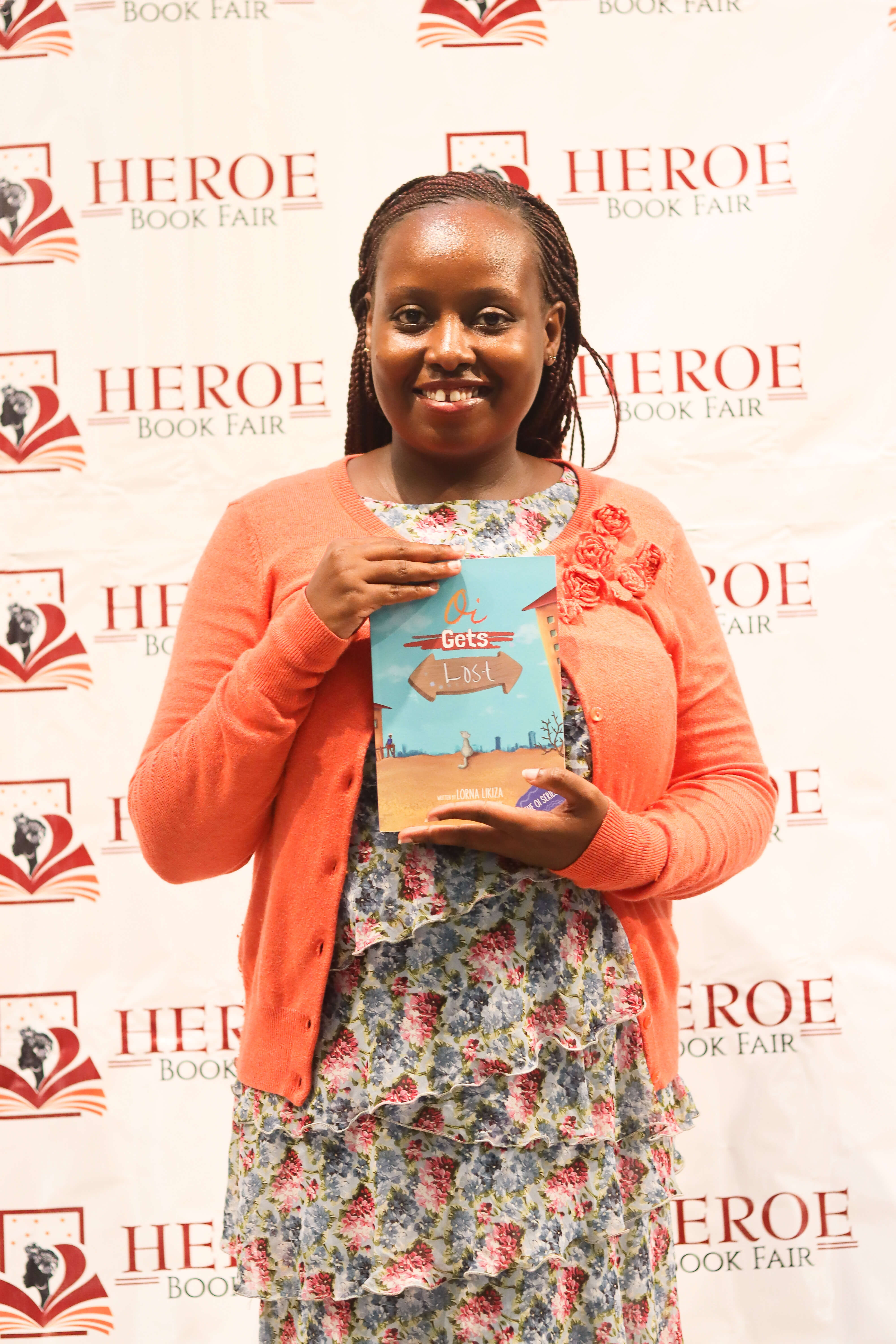
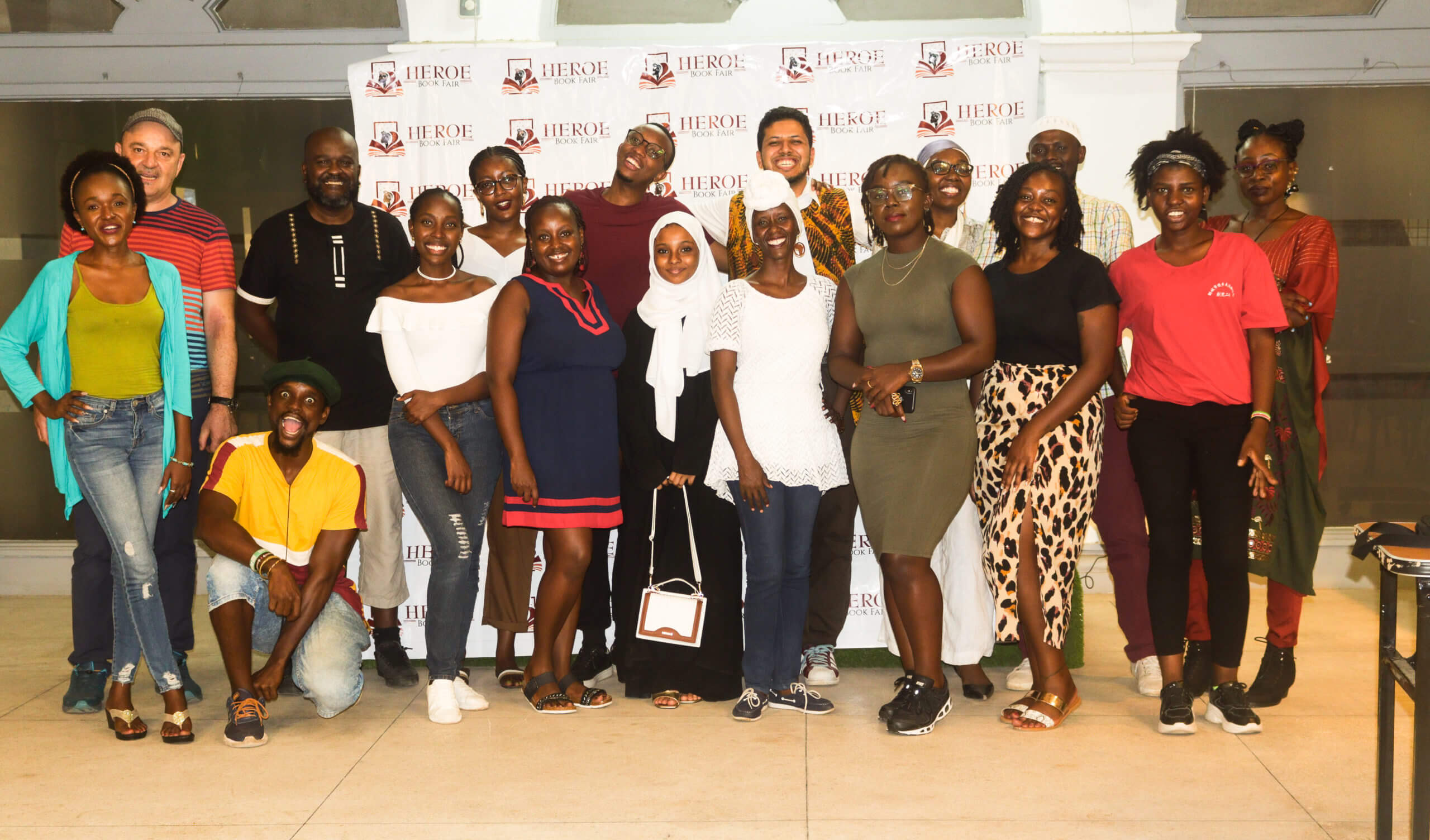
She is also the Founder of Heroe Book Fair, which is a yearly event that brings together Anglophone, Francophone and German speaking writers, poets, publishers and literary enthusiasts from Africa and the black diaspora over two days celebration of their literary works and achievements. Two editions in 2021 and 2022 have since been held.
Lorna explains that “a lot of people think Heroe is an English word and pronounce it as such, but it’s a Kiswahili word pronounced Heh-roh-eh and it means flamingo, which is the landmark of Nakuru city, my hometown.”
Lorna was kind enough to let me interview her! Here’s what we discussed:
You recently spoke at the 2023 Polyglot Conference Global. Can you tell us about what you presented?
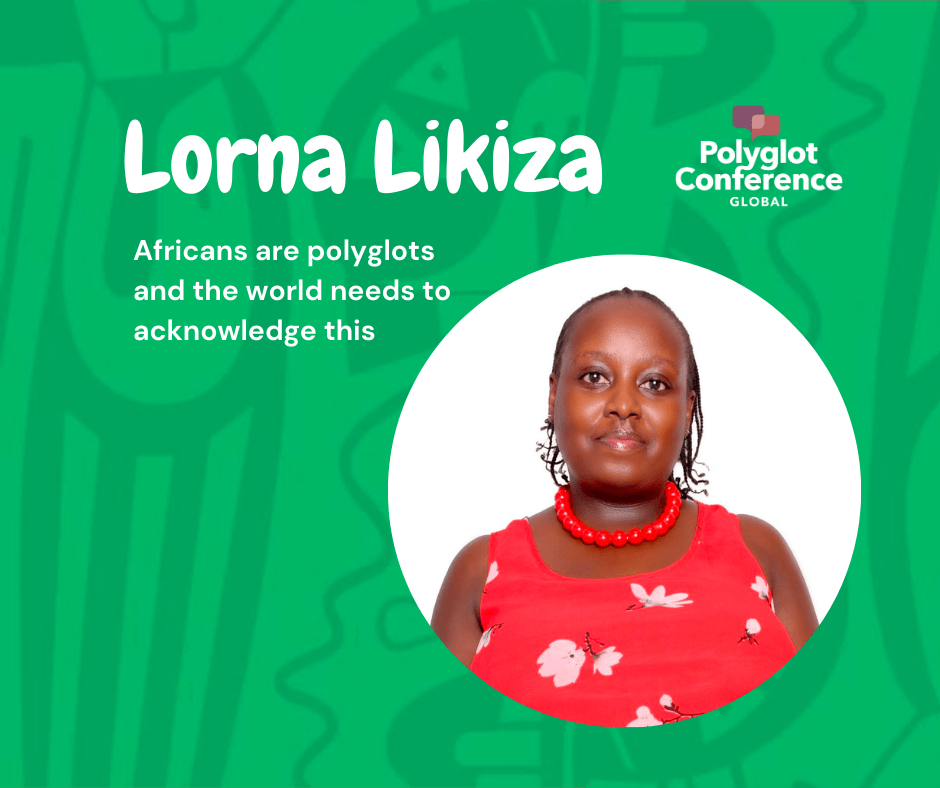
My talk was entitled “Africans are polyglots and the world needs to acknowledge this”. This subject has been on my mind for a long time. I once tweeted about it after I realized that cumulatively, my immediate family alone speaks 6 different languages, with only 2 being European languages. So I thought: if my family is this multilingual, then it means that so many other Kenyan and other African families are too. It’s pretty normal to switch from one language to another, depending on the circumstance.
When I got invited to speak at the Polyglot Conference Global 2023, I thought, now was my chance to address this issue, because for us Africans, for a long time, to be considered bilingual or trilingual or multilingual, only European languages are factored in and yet we speak so many of our African native tongues. I am really glad I had this opportunity to put my thoughts across on it, and the reception from attendees was quite good.
What was the experience like?
The experience was really good. I never realized that I had something to offer in the language department aside from teaching French of course. But when I watched what I had spoken about later, I realized that I do underestimate myself at times.
Would you encourage more people to put themselves forward to speak at language events?
Every language in the world has a story behind it and the people who speak those languages fluently are better placed to share their insights with others. So there’s a diversity of language-related topics yet to be explored and if someone has something to say, they definitely should consider letting it out and what better place than at language events. Not only does it give the individual exposure but it equally spreads awareness of otherwise forgotten or overlooked cultures.
What’s your relationship with multilingualism?
As a Kenyan and African, I am multilingual by default. My first language is Kiswahili, which is the national language of my country and my second language is English, which is the official language of my country.
My parents are from two different Kenyan tribes and I grew up hearing my mum speak her mother tongue, Embu, to my sister, who speaks it fluently. All my mum’s relatives spoke to us in Embu, so along the way I started to comprehend Embu and its cousin language, Kikuyu, because of the similarity. My father only spoke his language, Luhya, to his relatives, so unfortunately, I never got to learn his language. And then at the age of 9, French was introduced in my school and I began learning it up to high school for the next 8 years.
How did you become a French teacher?
My first French teaching job was in 2008 at 18 years old working as a volunteer teacher to secondary school students at the St. Mary’s Girls, Nakuru. From there, I think I fell deeply in love with the language and could not stop teaching it on and off even though I did not want to be a teacher by profession and chose a different course on campus.
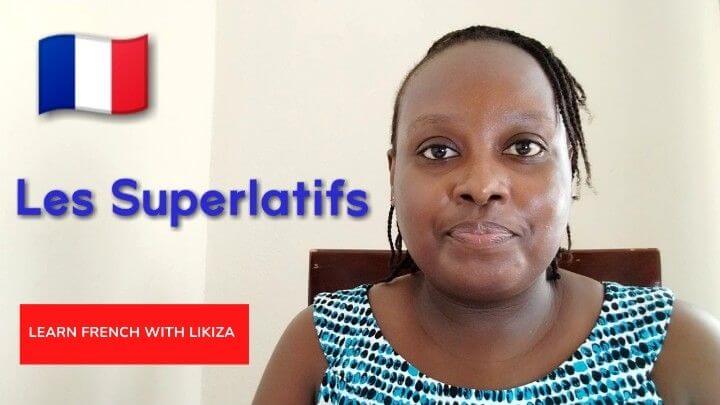
I am currently transitioning fully into the French teaching profession. I guess now I have finally accepted that teaching is in my blood.
What made you decide to start your Youtube channel? What keeps you going?
The pandemic. I used to teach French physically as a freelancer in Nakuru in 2018 and 2019 at the national library and in my Anglican church compound. When we got our first covid case in Kenya in March 2020, the first places to be closed were libraries and churches so my work was definitely impacted. Someone I was working for on the side as a content writer, suggested that I could teach via YouTube and that’s how the idea came about.
My love for the language keeps me going. I am also quite self driven and never give up easily so if I have a goal in mind, I will keep working at it until I attain it. My goal currently is to be monetized so that I keep producing these videos without having to charge people to learn French because from experience, quite a number don’t have that money to learn a language and yet they desire to. So if they can find relevant, well structured and useful language tutorials online, that would help them a lot and that’s why I keep producing videos.
You’re also a published author. How did you get published?
Yes! I posted a video on this:
What changes would you like to see in the language community, if any?
People need to acknowledge that non-natives can also master a language and teach it well. I feel there’s a tendency at times to look down on someone who is teaching a language that is not native to them, not realizing that it takes a lot of courage to learn a new language and to even teach it so that others can also learn.
I also feel that speaking a language not native to you with an accent from another language native to you is often unfairly ridiculed. I can’t remember who said this or where I read this but it says; if someone speaks with an accent it means they speak more than one language and this should be celebrated, not frowned upon.
Is there anything else that you’d like to mention?
If you would like to learn French, I would appreciate it if you subscribed to Learn French With Likiza or if you enjoy literature, you can subscribe to Heroe Reads With Lorna.
The Polyglot Gathering online and in-person events are coming up soon! The call for speakers for the online event is already open, and the call for the in-person event will be live soon; keep an eye out here.
Thank you to Lorna for sharing your story with me! If this post has inspired you to speak at a future language event, then check out my Language events for your 2024 diary post.


Leave a comment