

Moved abroad but still not fluent? You’re not alone.
If you arrived in your new country with only basic language skills, you might be feeling a little frustrated by now – like you should be further along.
You’re surrounded by native speakers. Maybe you’re even taking a weekly class. But somehow… it’s just not sticking.

Here’s the good news: it’s not because you’re bad at languages, or that your target language is “too hard.”
It might simply be that you’re not doing as much as you think to actually immerse yourself.
That’s not a criticism – it’s a starting point. Because once you know where you stand, you can start climbing.
So, let’s get real. Take this quick true-or-false quiz to find out how much you’re really engaging with your target language day to day – and what more you could be doing.
True or False?
Answer each statement with true or false:
- I encounter my target language at least once a day in some form.
- I follow at least one social media account that posts in my target language.
- I regularly watch TV shows, YouTube videos or films in my target language.
- I listen to music, podcasts or radio in the target language each week.
- I read news articles, books, blogs or forums in the target language at least once a week.
- I have regular conversations (in person or online) in my target language.
- I write in my target language – text messages, journal entries, or social media posts – at least once a week.
- I’ve learnt slang, idioms, or jokes that native speakers use.
- I understand announcements or signs in public spaces in the target language without translating them.
- I’ve made at least one local friend or acquaintance with whom I speak mostly in the target language.
- I play games, take quizzes or engage with memes in the target language.
- I’ve joined a class or club where the target language is the main language.
- I can complete daily errands entirely in the target language.
- I correct myself or notice my mistakes as I’m speaking or writing.
- I notice myself sometimes thinking or dreaming in the target language.
Score your immersion
Count how many statements you marked true, then check your result below:
0–5: just getting started
You’re living abroad, but the language hasn’t fully become part of your day-to-day life – yet. Pick one or two easy immersion habits to start with (like listening to a podcast or watching some TV or cinema). Put Duolingo down for a bit, and download my Language Goals PDF and start ticking these small wins off! Small steps go a long way.









6–10: actively engaged
You’re building strong habits and exposing yourself to the language in a variety of ways. Keep up the momentum – focus on speaking more often, honing your grammar and leaning into native-level media.



11–13: almost native
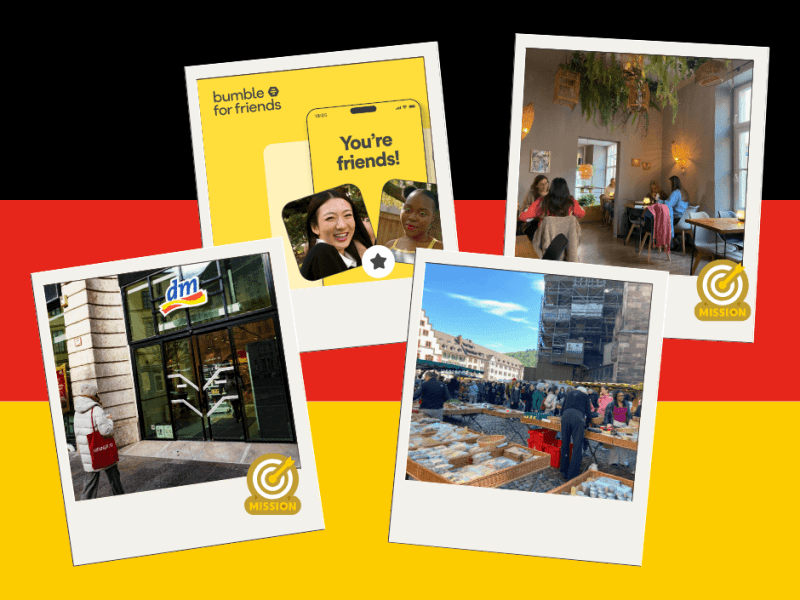
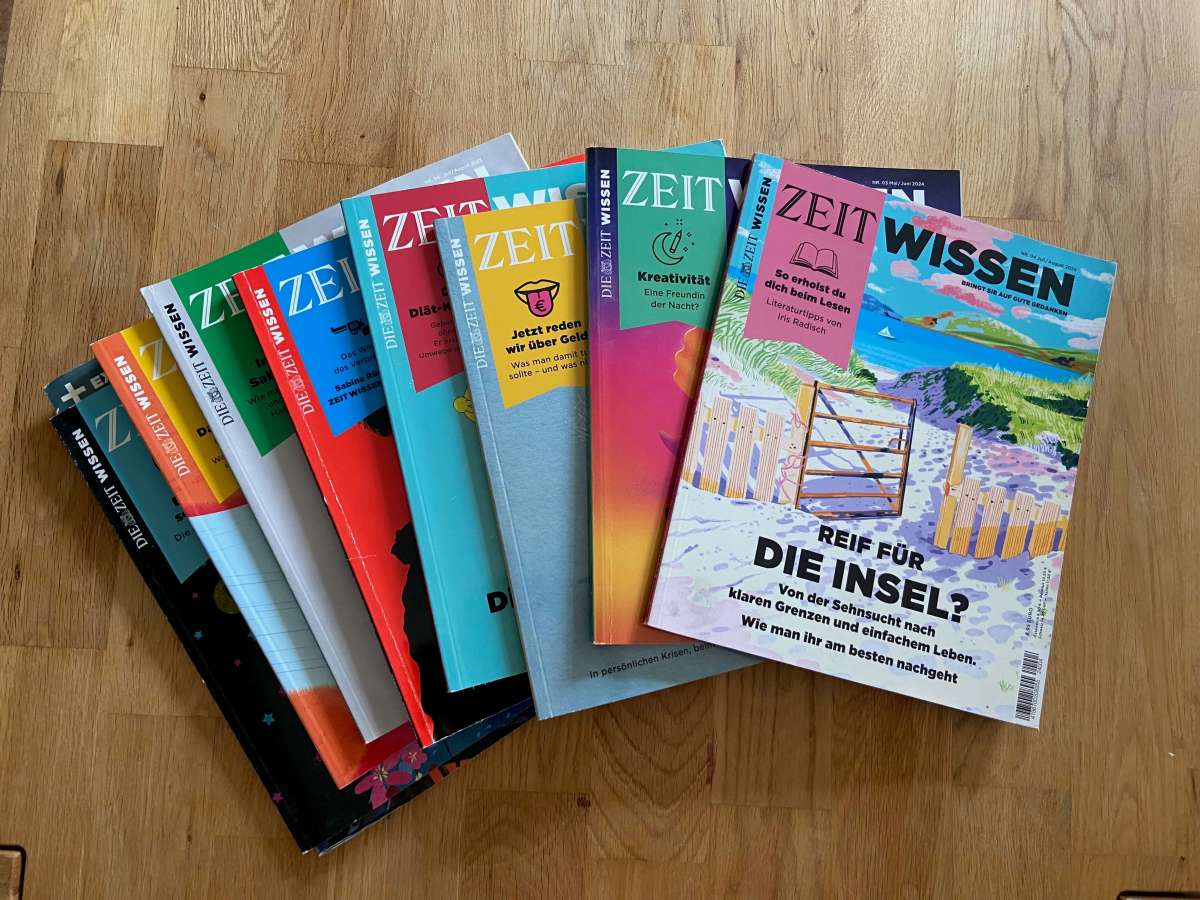
You’re immersed in both the environment and the language itself. You’re probably handling most daily situations with ease. Strengthen your fluency by varying your contact with it even more, whether by making new friends in your target language, expanding your reading or learning more about cultural peculiarities.



14–15: living the language
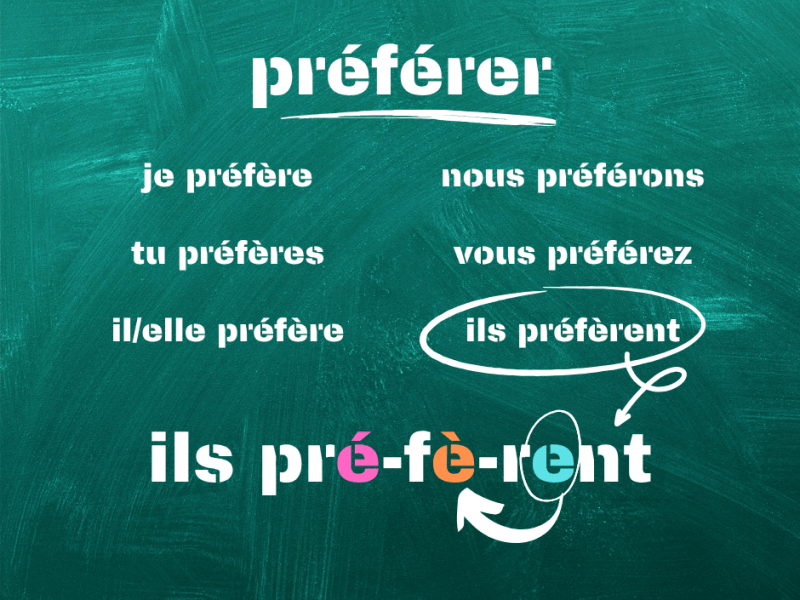
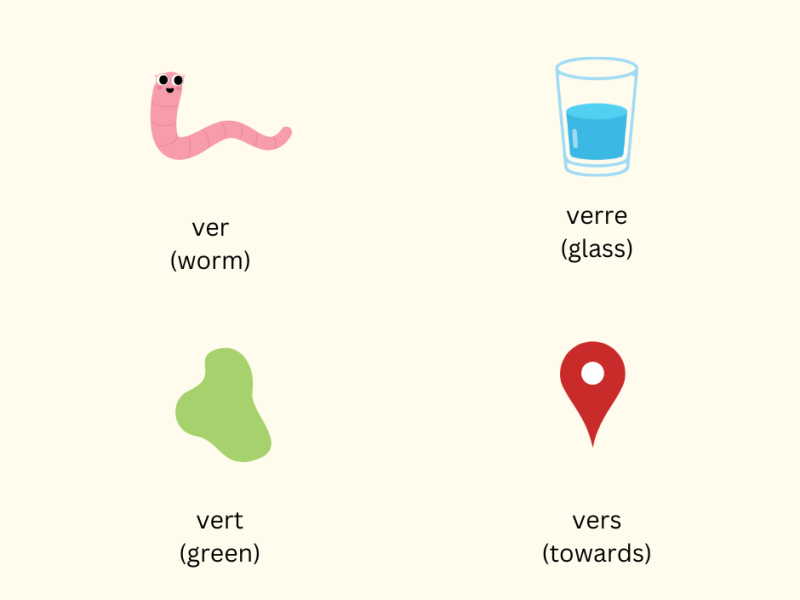
You’ve gone beyond studying – you’re living the language. This level of immersion puts you on the fast track to fluency. Now’s the time to refine your command of your target language; play with nuance, cross some Ts and dot some Is, so that absorbing information in your target language becomes akin to doing so in your native one.


A note on mindset
Immersion isn’t just about what you do – it’s also about how you think. Learning a language as an adult is difficult, and anyone who tells you otherwise is lying (and blowing their own trumpet).
Whether you’re overwhelmed about what the process involves, or are sick of naysayers suggesting you don’t have it in you, or there’s just no point, read my posts below to reset your frame of mind.
Once you feel a little more reassured, let the fun begin: try out an alter ego in your target language and take steps to enter your new, immersive life.



Final thoughts
The 15 statements above aren’t a blueprint for fluency – and that’s kind of the point. You might be thinking, “But you’ve missed something important!” That’s likely the case.
Only you know what truly works for you. That journey of figuring it out – that trial, error and adjustment – is a core part of language learning. It has to be personal.
So if your score feels off – say, you mostly speak English day-to-day but write academic essays at university in your target language, or watch local theatre pieces without translation – don’t be discouraged. Create your own list. Define what immersion looks like for you.
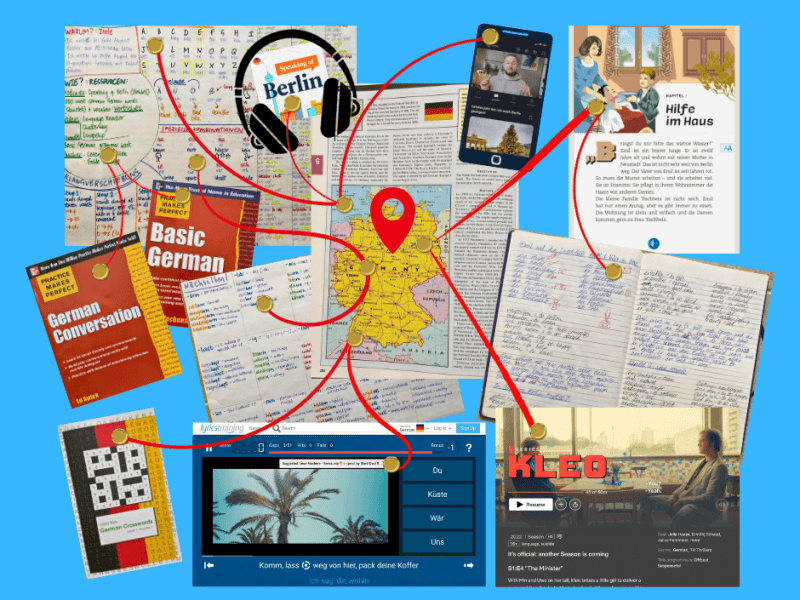
Think of this quiz not as a test, but as a map of possibilities – a way to discover new ways to feel more embedded in your new environment, and more at ease with your target language.
Liked this post? Please like and share it!


Leave a comment