

A lot of people really dread the writing exam, and since it comes at the end of the entire written exam (following the reading, grammar and listening parts), it requires a strong final push in energy after a long slog.
The positive parts of it are as follows:
- You only have to complete one task: you have to choose between Aufgabe A: requesting information and Aufgabe B: making a complaint
- You can use a lot of the same vocabulary over and over again
You only have 30 minutes to complete the writing task – so there’s no time to waste. That means you’ll need to choose which task to tackle quickly and dive in without overthinking.
To prepare effectively, I recommend focusing your practice on one task type, so you can master its structure and reuse useful phrases across different topics. At the same time, make sure to practise the other task occasionally – just in case your preferred option includes unfamiliar vocabulary on exam day.
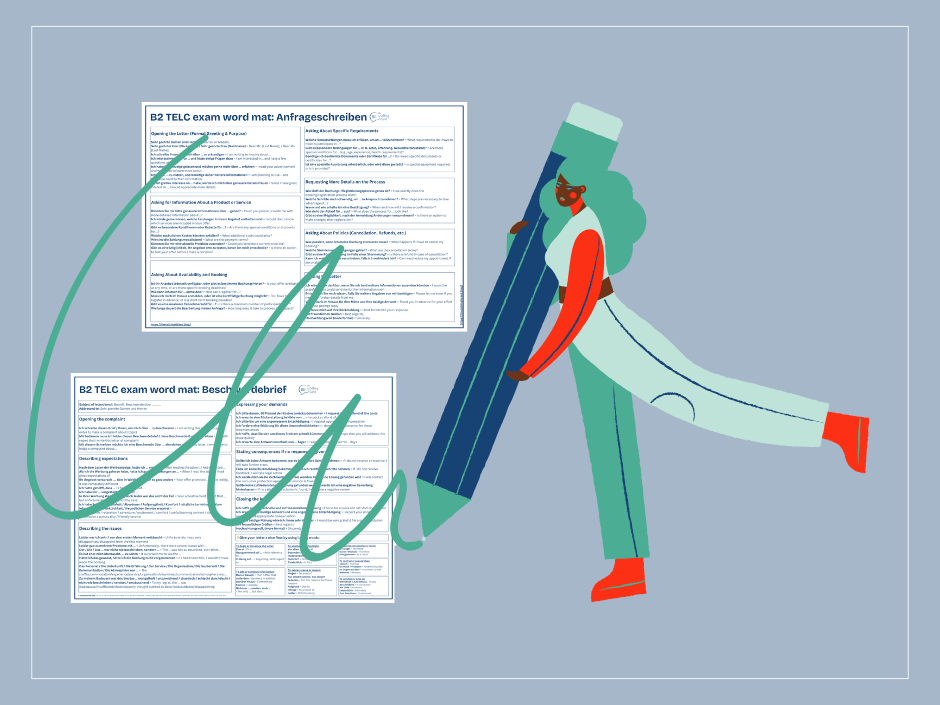
In this post, I’m sharing three free cheat sheets I created to make mastering the writing section faster and less stressful. Whether you’re still dreading it or already feel confident, these tools will sharpen your strategy and help you write like a pro on exam day.
Option 1: request information
Some people find the request for information easier because it feels a bit less formal than a complaint – but bear in mind that tasks covering very different topics will demand quite different language. If this still sounds like it suits you, then use my help sheet to ask for information in a structured, natural-sounding way:
Option 2: write a letter of complaint
It’s my view that the letter of complaint is much easier than the request for information, because you can recycle so much content.
Below you’ll find an extensive selection of things you could include in the letter. If that’s too overwhelming, then try out my mega easy version, directly below it:
Easier complaint structure
The key is to keep it simple. Check out the below structure and apply it to any practice exam you find. You’ll discover it adapts to pretty much all circumstances!:
Check your work
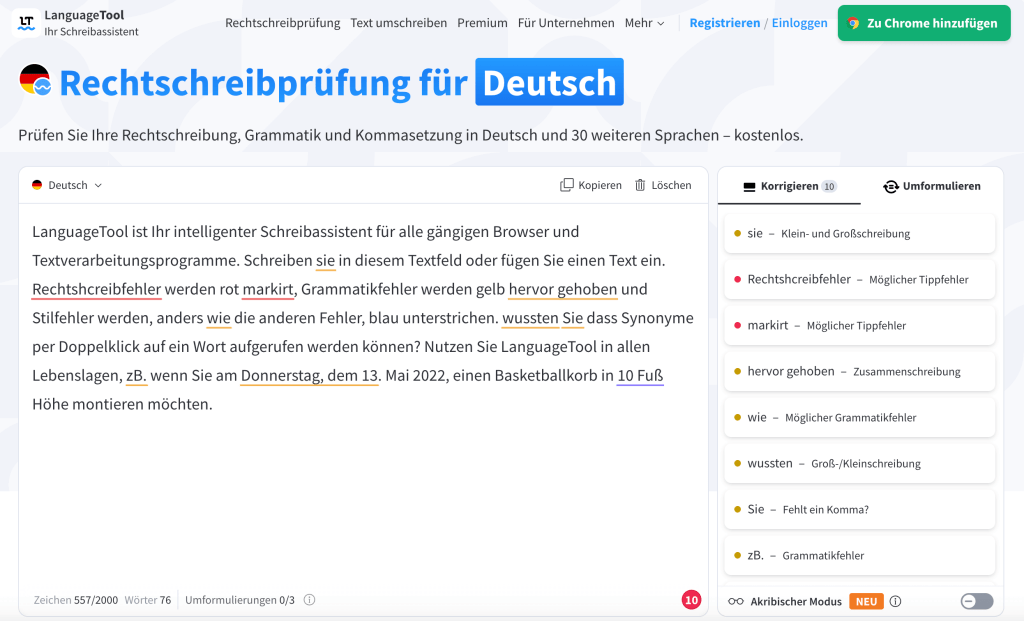
If you don’t have a fluent speaker to correct your work, you can use LanguageTool. Just type your letter in, and see where your mistakes are:
Final thoughts
My best advice for the writing exam is: “don’t say what you want to say, say what you can say.” A simple letter that is grammatically accurate is much better than a more complex letter littered with errors.
My three cheat sheets are designed to take the guesswork out of your writing and help you stay calm and focused on exam day. Use them regularly in your practice, and you’ll be surprised how quickly your writing becomes clearer, more confident, and more exam-ready.
If you found any of my cheat sheets useful, please like and share this post!
MORE LIKE THIS ›


Something went wrong. Please refresh the page and/or try again.


Leave a comment