
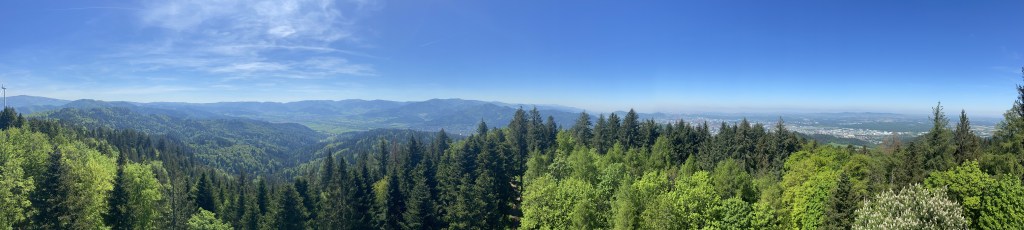
Last summer I signed up to study at Alliance Française Bordeaux, located in the Gironde department of France, which is in the Nouvelle-Aquitaine region. Having spent time reluctantly teaching French in England at secondary school level (Spanish is my specialty!), I’d been itching to perfect my French for some time, and was keen to move to France, so I decided to go all in.
If you’ve been learning French for years and want to master it once and for all, or have been thinking about learning it and want to make sure your language journey is effective, I always recommend a course abroad.
With the increase in remote working patterns, freelance work and flexible working hours, such courses are more financially viable for a lot of people these days, and my, are they effective, if you put the work in from the get-go!

Here’s a snapshot of what’s worth knowing about studying at Alliance Française Bordeaux:
School location
The school is a 30-minute tram ride from the Bordeaux train station (Saint Jean station), or a very pleasant cycle ride away all along the Garonne river. It’s located in Saint Seurin – Fondaudège neighbourhood, just a 5-minute walk from Jardin Public, my favourite park in the city.
The below map is from LeMap Bordeaux. My favourite spot for a drink in the neighbourhood is Bonne Mer, a short walk from the school.


Facilities
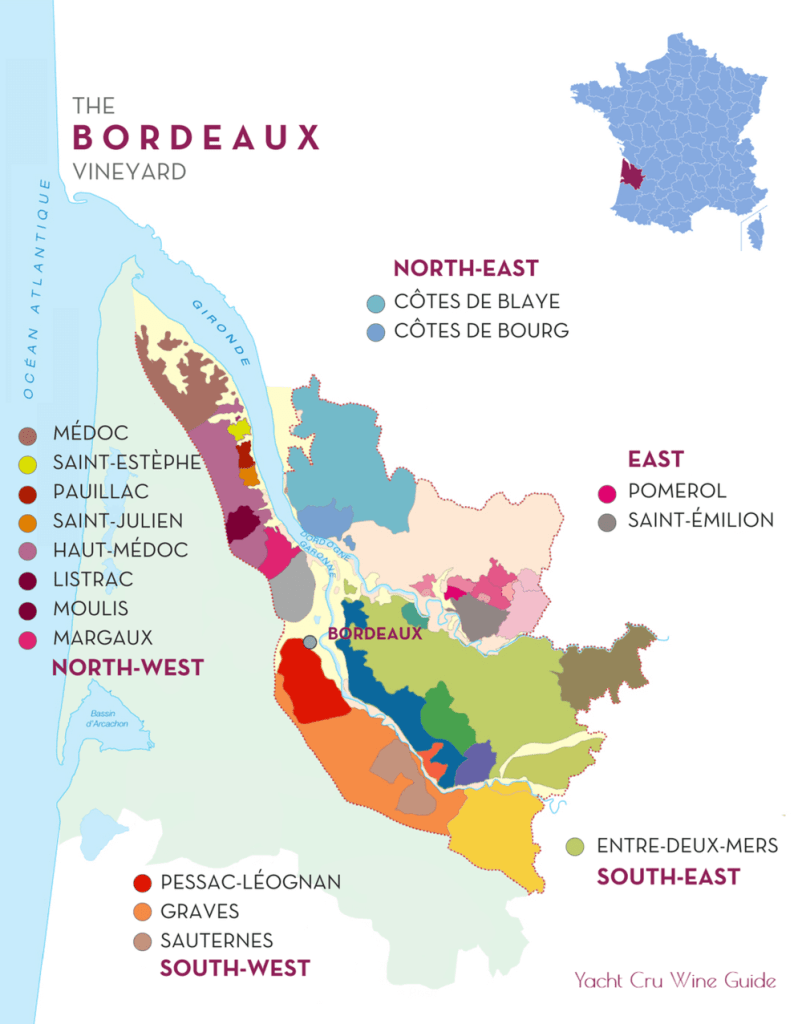
The school has a spacious reception area, with comfy sofas and some tables for studying. The classrooms span across three floors, which, in true French fashion, are each named after a different wine area around Bordeaux.
Some of the classrooms are large and light, and others are small and oddly shaped. They change classroom at each change of level, to ensure that anyone studying long-term gets a fair use of the different spaces.
Their library does have a lot to be desired… They’ve got some old PCs, and a very small selection of textbooks, but they’d really benefit from stocking some books in French for all levels, for students to borrow.
Courses and teaching
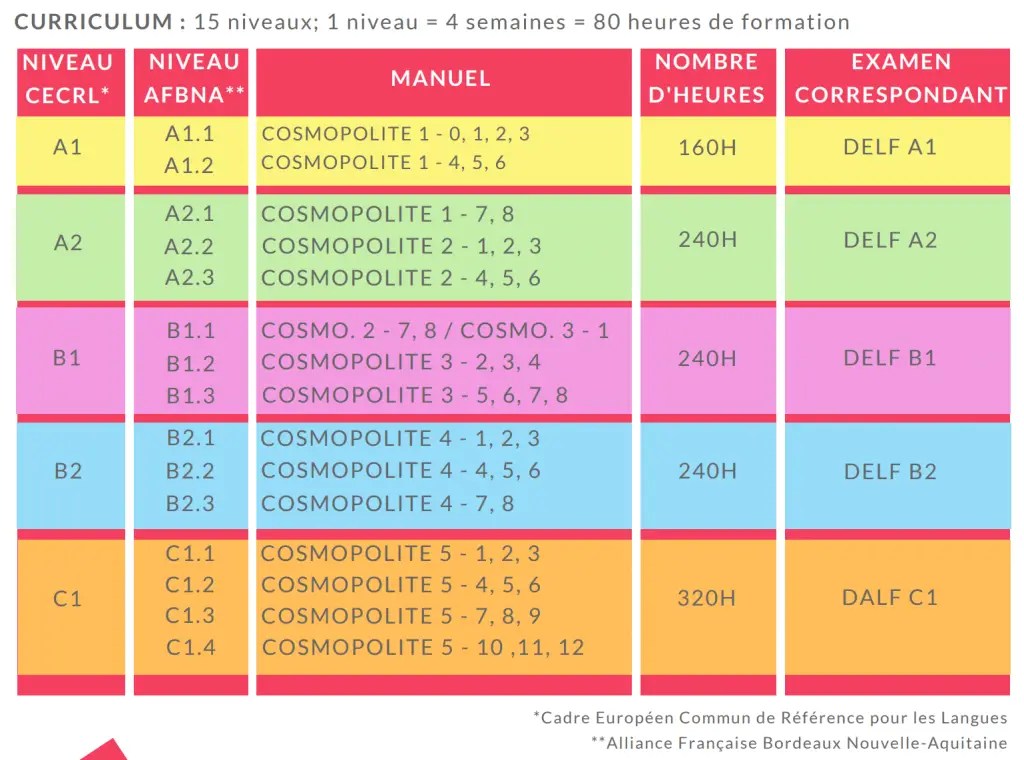
The school splits each CEFR level into sub-levels, each of which takes a week to complete. At the end of each CEFR level, students must take a test in order to move up.
The textbooks used (at least the levels I studied – B2 and C1) are Cosmopolite. As well as the intensive courses offered (9am-1pm), the school also puts on various workshops in the afternoon, which cover phonetics, culture, conversation and grammar (at an extra cost).
The teaching on the intensive courses is not restricted to the textbooks; the staff constantly cater material and activities to the students they receive.
For example, one of my favourite teachers at the school, called Magali, proposed a mock Cours d’Éloquence (public speaking competition) to my C1 class.

My classmates and I each wrote a speech on a topic of our choice relating to the French language, and presented it to a jury of judges consisting of the Director of the school and members of the administrative staff.
We used a coffee table as a lectern (pictured); it was a great experience.
You can find more information on the courses here.
Accommodation
I haven’t rated the accommodation at the school, because I didn’t book accommodation through it. You can read about what I did accommodation-wise, in my How I reached C1 French in 3 months after 21 years of struggling post.
However, it’s worth noting a couple of things. Firstly, it is incredibly difficult to find accommodation independently in Bordeaux.
I met students who were paying extortionate rates for Airbnb rooms and flats even well into October – which is no longer high season – because they simply couldn’t find anything cheaper that was available.
The city is well populated and is only so big, with lots of old buildings and little space for new builds. As such, despite my recommendation to find accommodation locally upon arrival in my 9 tried-and-tested ways to live your best short-term language immersion abroad post, in a city like Bordeaux, this will likely bring more stress than a cheaper deal.

The school offers a host family option, as well as half-board setups and studios.
It’s especially important to consider your stay around events that make the city fill up and prices soar, from Bordeaux Fête le Vin every June, to sporting events.
Value for money
Alliance Française Bordeaux offers a significantly cheaper weekly rate than the other schools in Bordeaux. Find below the weekly rate if you book just one week; bear in mind that most schools reduce their weekly rate, the more weeks you sign up for:
Alliance Française Bordeaux: 210€
France Langue: 320€
French Factory Bordeaux: 321€
Newdeal Institut de Français: 361€
International House Bordeaux: available upon quote request
ESL: 420€
CESA: 460€

Compared to the Alliance Française Paris, the Bordeaux school offers a far more competitive rate. The Paris school has a weekly rate of 375€, and requires a minimum of two weeks of class.
Extra-curricular
The school’s extra-curricular offer is really varied. I have written about a lot of the activities they put on in my A week in Bordeaux: 17 essential activities post. The school often gets reduced rates for their activities, meaning that it’s cheaper to go to the Bassins des Lumières with the school, for example, than on your own.
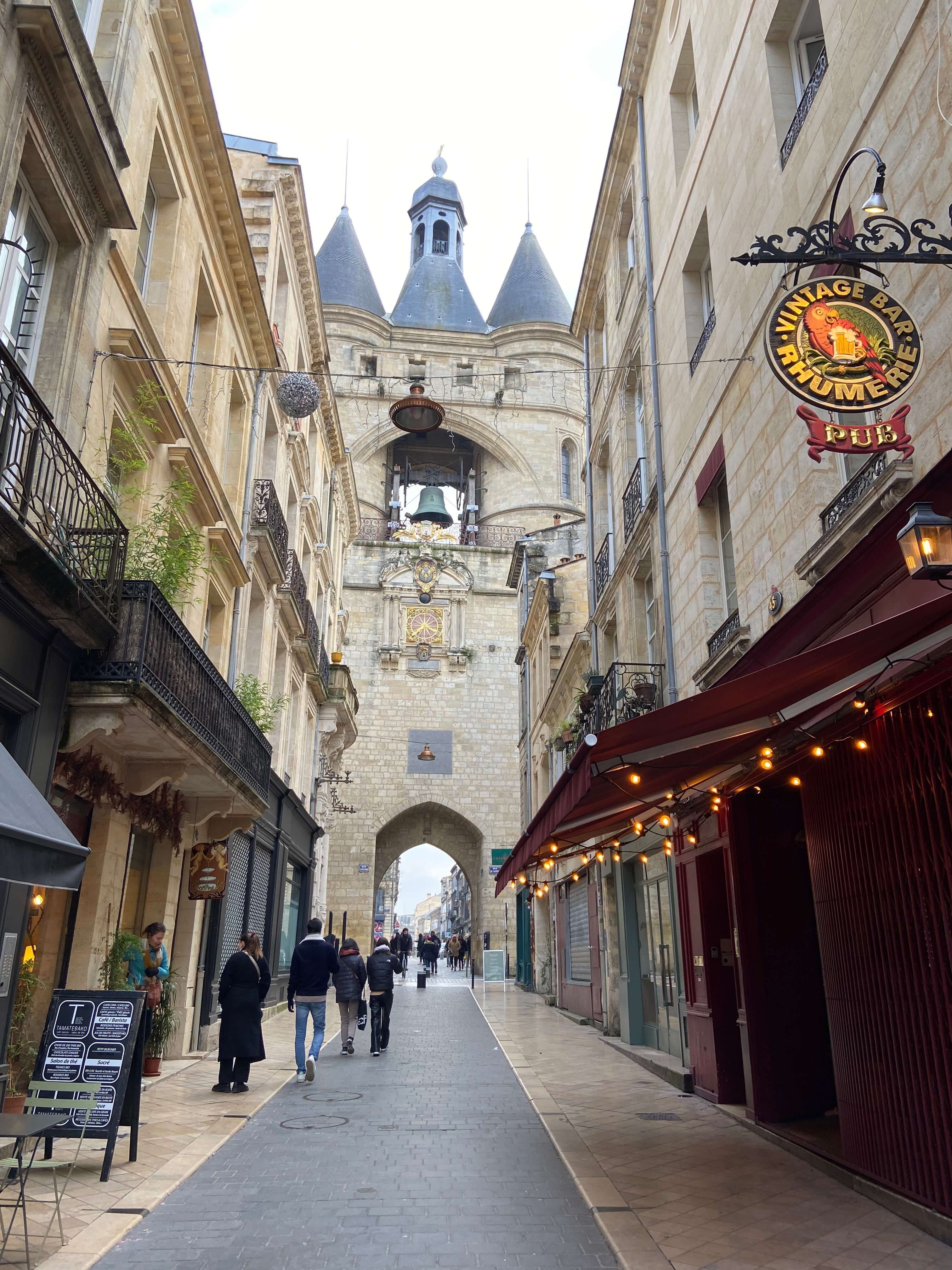
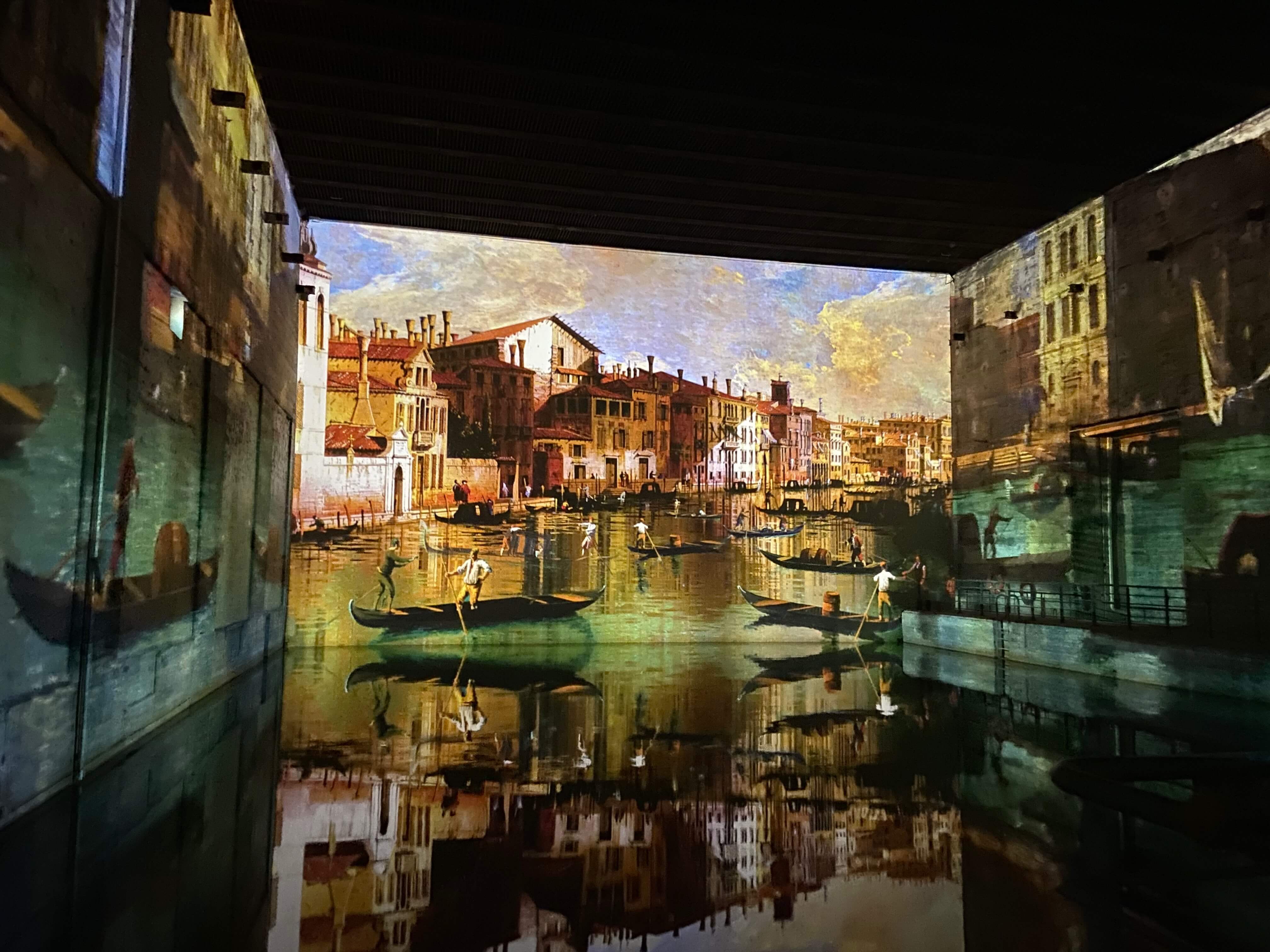


Other things the school organises include wine tastings, cooking classes, picnics, games of pétanque and more. They often organise an apéro evening too, to give you the opportunity to practise your French with other learners. This is a great activity if you’re just starting out in French and haven’t yet made any French friends!
You can see what they’re up to on a weekly basis on their Instagram and Facebook accounts.
Favourite thing:
My favourite thing about my time in Bordeaux was the culture of the city, which was the ideal accompaniment to my objective to perfect my French. There is something for everyone in Bordeaux. On most nights of the week, I went out to consume more about the French culture and language.
For example, I attended a weekly exchange hosted by BlaBla Bordeaux Language Exchange, which you can read about in my From meek to chic: 9 proven strategies to improve your speaking skills at your local language exchange post.

I also went to the cinema quite often; French cinema is such a massive industry that films don’t stay in the cinema for long, meaning that there are always a lot of excellent films to choose from; check out my 14 must-watch French films to improve your French for my recommendations. The city is so steeped in history that it’s impossible to get bored.
I also visited some of the many museums, talks, comedy nights and more. All of this gave me material for discussion in the following day’s class, which in turn supported my quest to pass a C1 exam in French, which you can read about in my How I reached C1 French in 3 months after 21 years of struggling post.
Have you visited Bordeaux before? Would you consider doing a course in the city?


Leave a comment