

I recently passed the B2 TELC exam, 15 months after starting a full-time job in Germany, and 22 months after starting to learn German.
This isn’t a magical “I got fluent in 3 months” polyglot story, after all, 22 months of toil isn’t exactly a quick fix.
Instead I wanted to share an honest breakdown of the amount of effort I put in to achieve this, what worked, and how I ultimately made fairly swift progress alongside a full-time job.

What worked
I started learning before I arrived in Germany
I studied independently for the first couple of months of my learning journey, and then completed the Lingoda Language Sprint, all before I moved to Germany.
I found the Sprint really motivating – it’s the first time I’ve ever attended every lesson of a course! – and it forced me to speak from very early on.
See if the Sprint is for you by reading my Should you try the Lingoda language sprint? Here’s my experience and advice post.
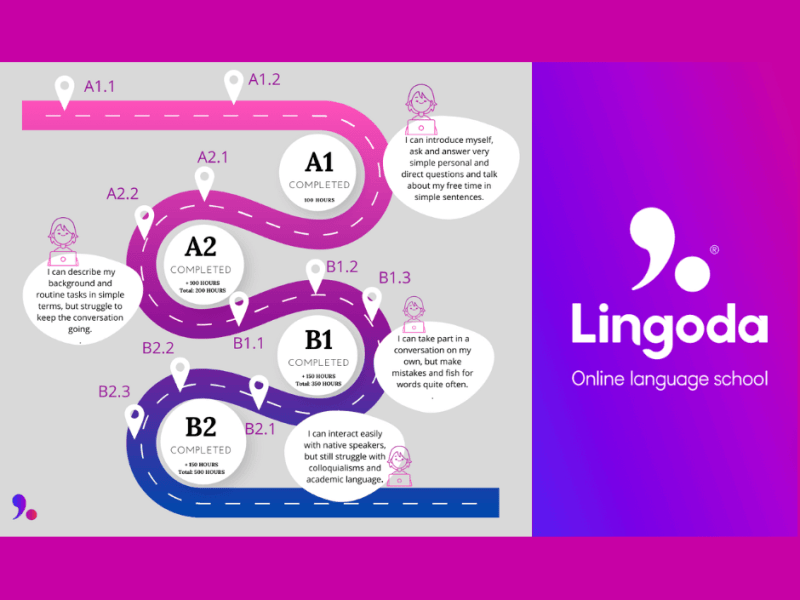
Why this worked: having even a little knowledge before my arrival meant I didn’t have the excuse of waiting for some fictional starting point e.g. “I’ll start speaking German when I start a course/once I’ve done an exam/when I’m good enough.” I had built confidence before being confronted with native speakers just wanting to get on with their day.
I was intrinsically and extrinsically motivated
External motivation: a passport and a deadline
When I moved to Germany, one thing pushed me harder than anything else: I wanted my EU citizenship back.
At the time, Germany offered a fast-track to citizenship in just three years – if you could pass the C1 German exam. After losing my EU rights post-Brexit, that challenge lit a fire under me.
It gave me a concrete, high-stakes goal, and that kind of external pressure was incredibly motivating.
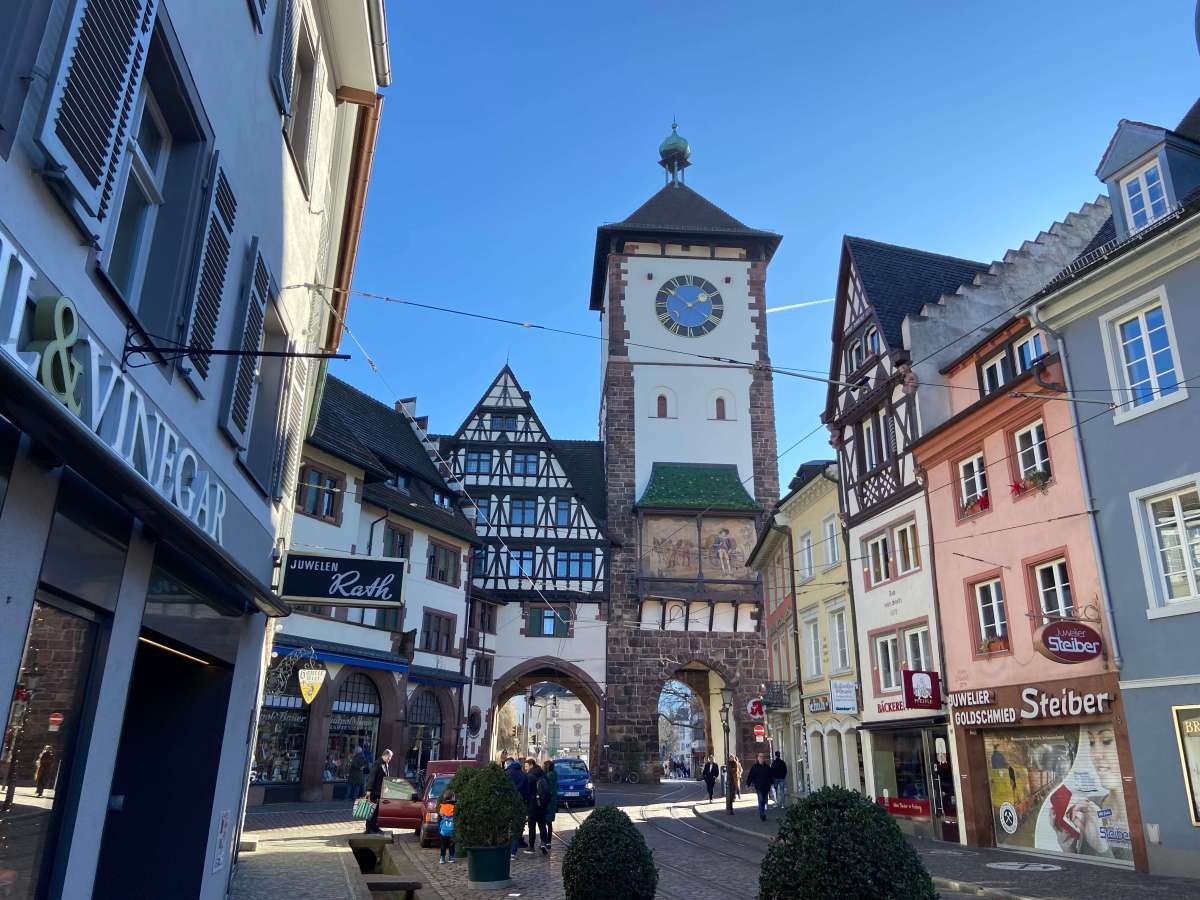
If you’re a non-EU citizen hoping to move to Germany, read my Work in the EU post-Brexit: Germany is the way post.
Internal motivation: integration, belonging and loving languages
But it wasn’t just about paperwork. I’ve always loved languages, and I was determined to feel truly integrated this time.
I’d already lived in Switzerland and Belgium – and in both places, I never got past the basics of French and Flemish respectively, and thus found it hard to make local friends. I discussed the latter in my How not to learn a language: 9 lessons from that time I flunked Flemish post.
This time, I knew I was in it for the long haul. Brexit had taken the “maybe I’ll move elsewhere” card off the table. That sense of permanence was oddly freeing – it pushed me past dabbling and made me commit to learning German properly.
When the goal changed, the habit stayed
The fast-track citizenship path has since been scrapped (it’s now five years), but by the time the policy changed, I was already past the B1 plateau and I’d seen my efforts pay off.
I find the locals incredibly willing to help me when they see how much effort I’m making to speak German, and that makes my life a lot easier.
Why this worked: goals help, but reasons matter more. A tangible reward (in my case an EU passport) got me started, but a desire to feel at home is what keeps me going.
I used German from day one in Germany
I didn’t want to get used to speaking in English in my new city, so signed up to an A2 group course two weeks after arrival.
Not yet able to say anything remotely complex, I first started using German by writing to people on Bumble BFF (more on this later).
I also challenged myself to speak German in public, whether ordering in bars or restaurants, asking questions in shops and more.
Check out my 15 mini-missions to start to learn German in Germany (even if you’ve been living here for years without it) post for more ideas.
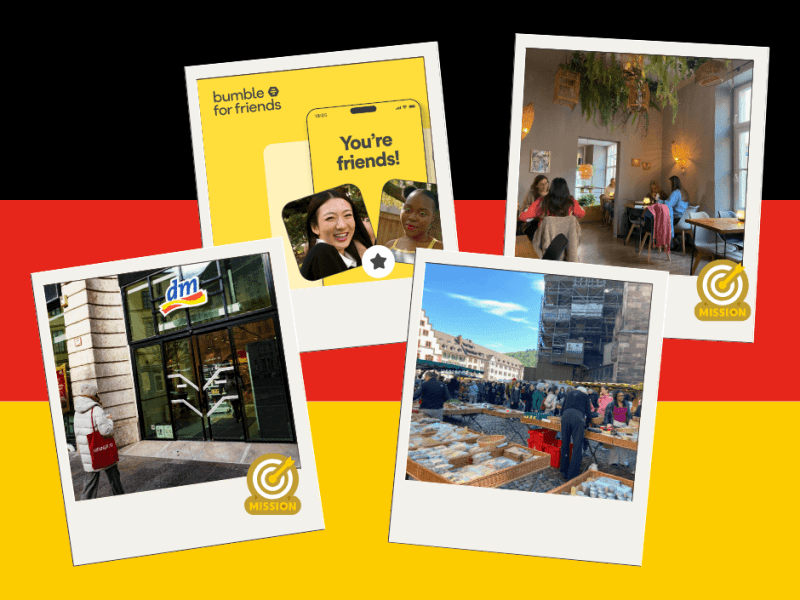
Why this worked: I didn’t get used to operating in English, which is absolutely possible in Germany. As such, I didn’t forge many patterns or associations between activities and daily routines and English.
I use on-the-go learning aids
Initially horrified by the periodic tables of the German language, I soon committed myself to memorising them by creating phone backgrounds for:
- pronouns-by-case table
- definite and indefinite articles table
- adjectival agreement table
These backgrounds were a game changer; bar the odd slip up here and there, thanks to these tools, my grammatical accuracy in these areas is pretty solid.
Download these in my 7 essential phone backgrounds to use as the best learning resource for A1-A2 German learners post.

Why this worked: early on in my learning journey, any time I had a doubt mid-conversation, I could check my phone that instant. This meant that doubts lingered for a short period and I managed to cement patterns in my brain swiftly.
I am constantly researching German for The Talking Ticket
I spend a lot of time researching German for my blog, breaking down grammar, synthesising ideas and testing out resources. In order for me to successfully explain something, I have to know it like the back of my hand.
This means that anything I don’t understand remains a mystery for a minimum of a couple of minutes if I google it, and maybe two days if I take a while to ask a native speaker for clarification when Google doesn’t cough up the answer.
Why this works: have you ever heard of the Protégé Effect? It’s a concept that suggests that we learn more effectively by teaching others. In writing posts about German, my knowledge of the language has skyrocketed.
I regularly consume German content
Walking into town? Exercising at the gym? Cooking? Whenever I have extra time where my mind isn’t working on something else, I listen to podcasts. When I’m in the right mood, I watch series and read too.
This means that without opening a textbook, I will sometimes consume between 1 to 4 hours of German a day.
For podcast, series and reading recommendations, check out my posts below:

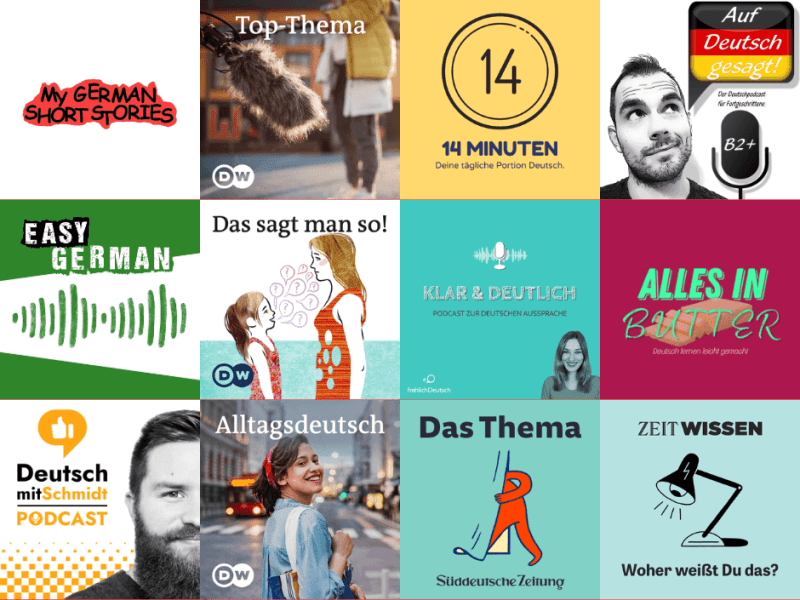

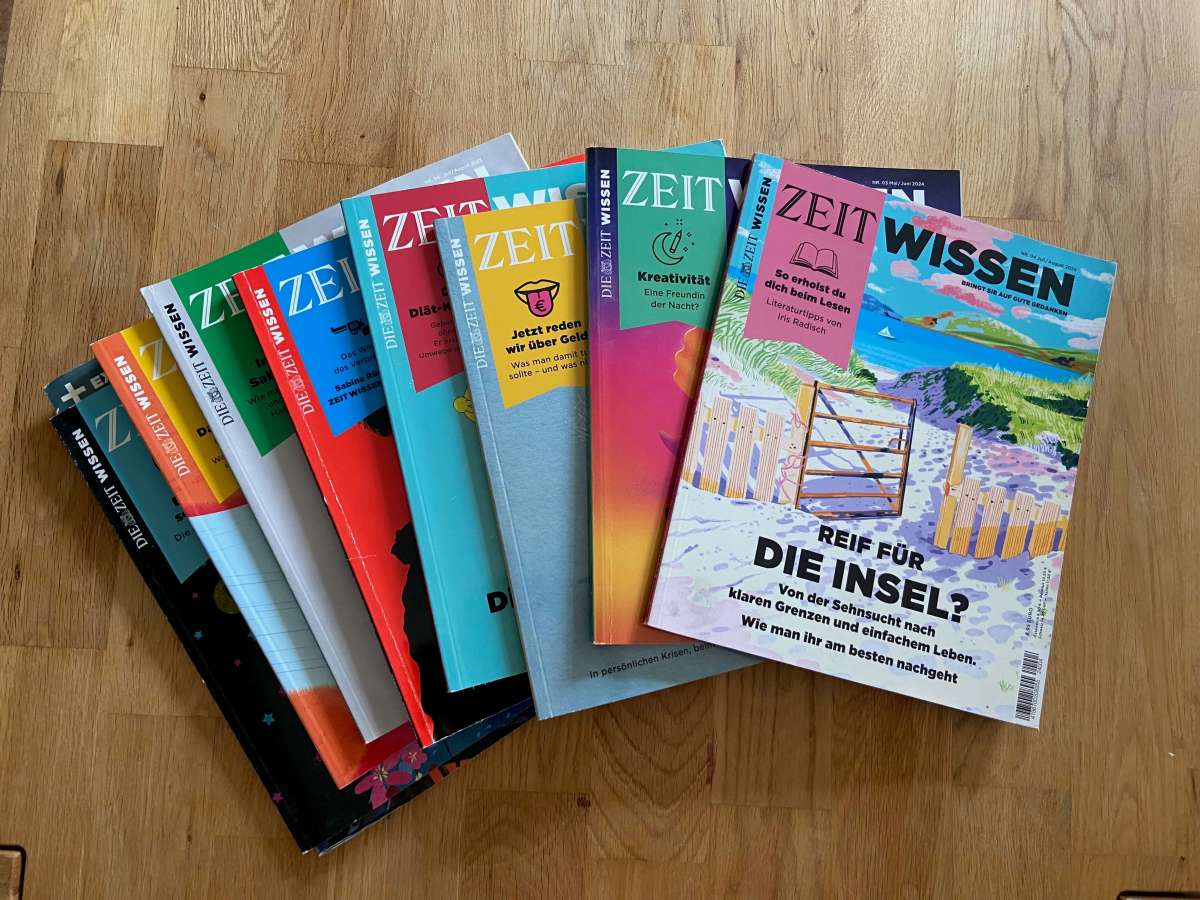
Why this works: the more I listened to podcasts and watched German TV, the more I started to “feel” if something was right. This cemented my grammatical accuracy early on, without slogging over grammar textbooks.
I have made German friends and speak to them (mostly) in German
It took me a long time to make some solid friends in Germany, but eventually some of my strategies worked.
The crucial point here is that I made my social life a German one. Rather than sacrificing social time with English-speaking friends, for a laborious bit of German practice, I married the two, making dinner or drinks out the best kind of homework.
Read my How to make friends in Germany and improve your German: 8 methods rated post for more on my friend-making methods!
Why this works: this has been one of the biggest factors in my progress. Speaking German with my friends gives me real, sustained conversation practice in a low-stakes environment.
I skipped levels at school
The first classes I did in Germany were split over two evenings, totalling 3 hours.
I found A2.1 challenging when I first arrived, but by A2.2 I was chomping at the bit and so requested that instead of moving onto the last third of A2 next, that I start B1 pronto!
The school happily obliged, and I moved through B1.1 and B1.2, only to find myself restless again, and bored at the prospect of limping through B1.3 and B1.4. I asked if I could start B2 instead, and the school again agreed.
Why this worked: motivation comes in waves, and I knew that a sustained period of boredom could make me lose momentum altogether, so I felt it important to act. Skipping levels kept me challenged, boosted my confidence and matched the pace of learning to my energy.
I changed from group lessons to 1-2-1 classes
The things that get us from A1 to A2 will not make us fluent, meaning that as we progress, our learning plan needs multiple makeovers.
I didn’t take up my school’s offer to join the B2 course in the end. Frustrated at the lack of speaking time and the loss of two evenings a week, I decided to try 1-2-1 classes.
They cost more, but you spend less time in class, and get more talking time just for you.
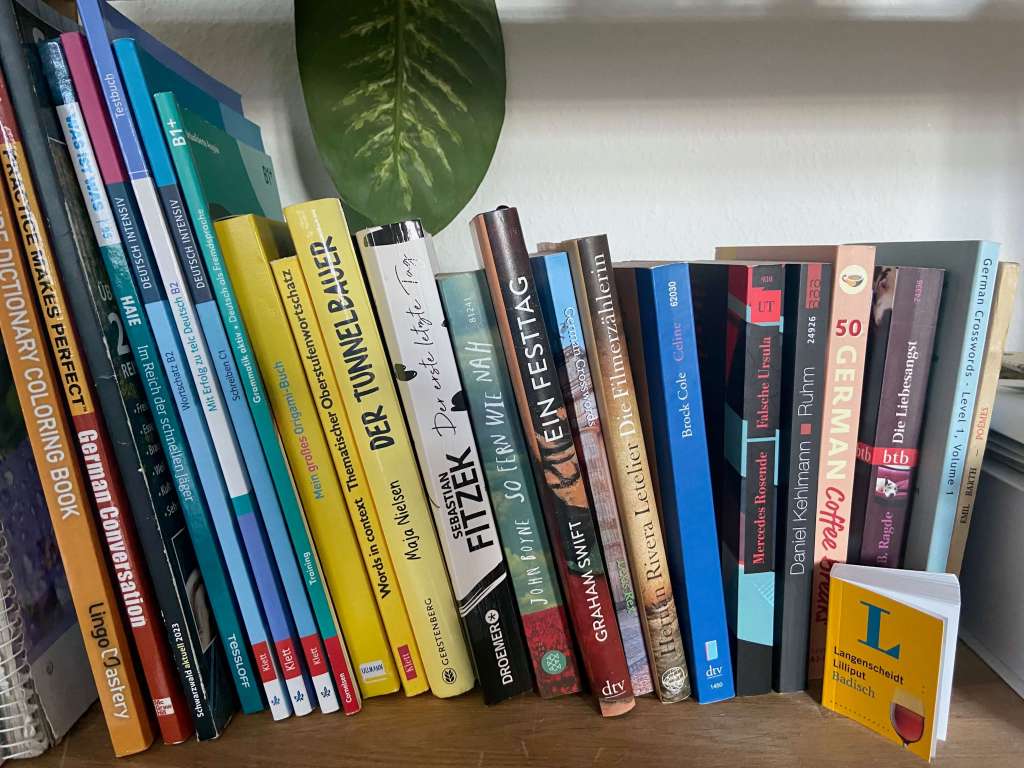
Why this worked: switching to 1-2-1 classes let me focus on exactly what I needed and I got maximum speaking practice out of the lessons. By tailoring classes to my level and goals, I learned more efficiently and stayed motivated, which accelerated my progress, all in less time than the duration of a group course.
I took – and passed – the B2 TELC exam
I signed up for the B2 exam after starting my 1-2-1 lessons, and before the fast-track German passport route was abolished.
I also signed up before having looked at the exam. What in the Dunning-Kruger effect was I thinking? Still, in for a penny, in for a pound! I figured that preparing for an exam would really push my German to the max.
I booked the exam at the 5 month mark from the start of my individual classes, only to postpone by another month, as I didn’t yet feel ready. It was Teil 2 of the speaking exam that gave me the heebie-jeebies. I solved this (or rather, my teacher did) by doing one practice Teil 2 every week. The solution to fear is overconsumption to the point of boredom.

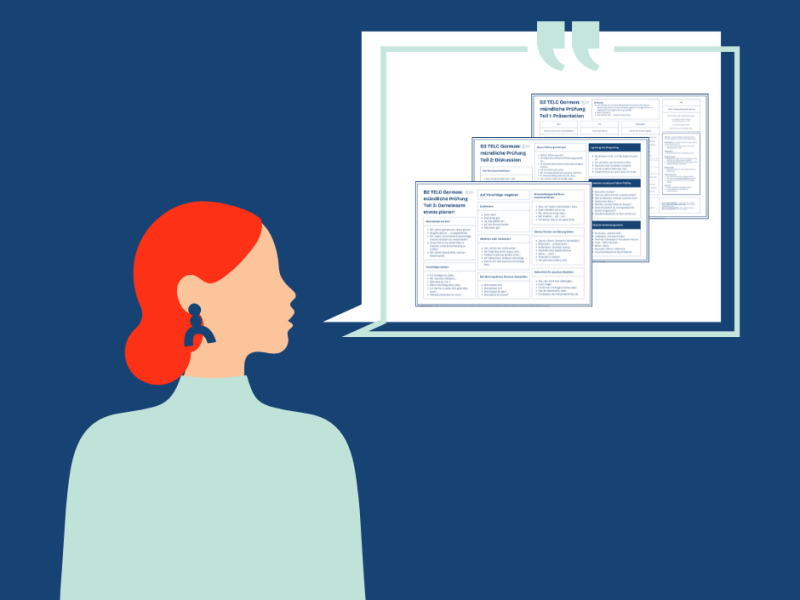
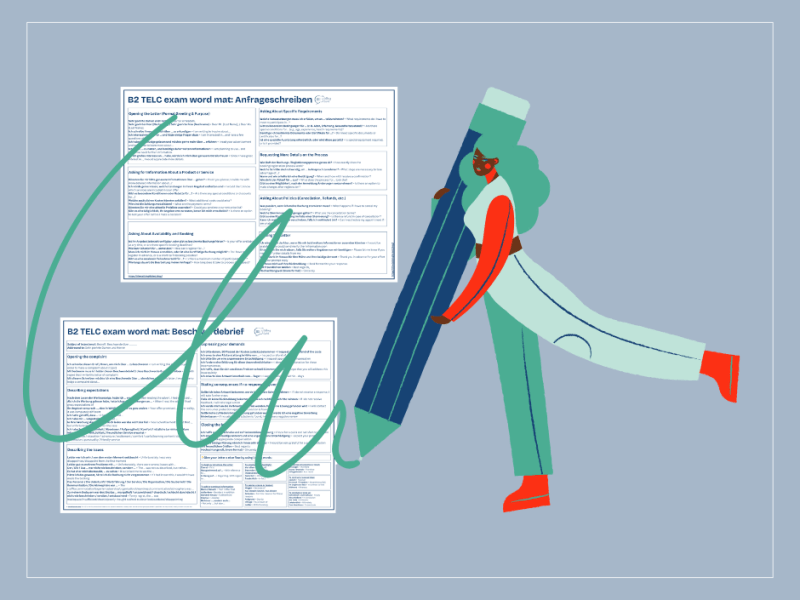
Why this worked: I could bore you with some psychology spiel about the power of specific goals, yadda yadda yadda. But all you really need to know is that the whole process felt like I’d climbed into a kids’ tunnel tent speaking like a robot, and after slopping around for a time, I came out the other side with that learner frustration removed and the ability to get my point across in most situations. Magic.
I do the difficult stuff (by) myself
My feeling is that one strong marker of integration is the ability to do those boring adult-y things in your target language, with little or no help from a native.
Here are some of the many boring things I’ve done that have improved my German:
- Decorating my flat (and having to ask where to find screws, hooks and frames in Obi)
- Having a dress tailored (cue googling of words like zip, to shorten etc)
- Getting dry cleaning done
- Phoning various customer service departments regarding my phone, TV licence and other boring things
- Dealing with medical specialists
- Attending gym classes where I have to decipher what the trainer is saying over pumping music (Bein wechseln!)
- Getting my bike serviced
- Buying secondhand goods on Kleinanzeigen
- Getting my hair cut
- Renewing my visa
- and more boring things I can’t remember…
Why this worked: I’m now so used to googling a few key words pre-new-scenario and throwing myself into it, that I no longer sweat the small stuff when it comes to German. This also means that for the people I go back to – I’ve already established a relationship in German.
What’s next
I could stop my learning now; my German is good enough for socialising, bureaucracy and day-to-day tasks.
But I’m just getting started.
I’ve started up my 1-2-1 classes again, which are now so much more interesting, as instead of catering the lessons to an exam mark scheme, I learn whatever I want.
Maybe next year I’ll consider doing the C1 exam, but I’m in no rush.
Final thoughts
The methods I used to reach B2 German aren’t revolutionary.
They are an example of a method I talked about in my How to start learning any language: treat it like a crime you’re trying to solve post.
In the way a detective sets out on a case, determined that “this case will be solved,” I knew I could learn German.
My success at learning other languages as “proof of concept” – and the motivation fostered by the challenge of learning a non-Latin language – laid the groundwork.
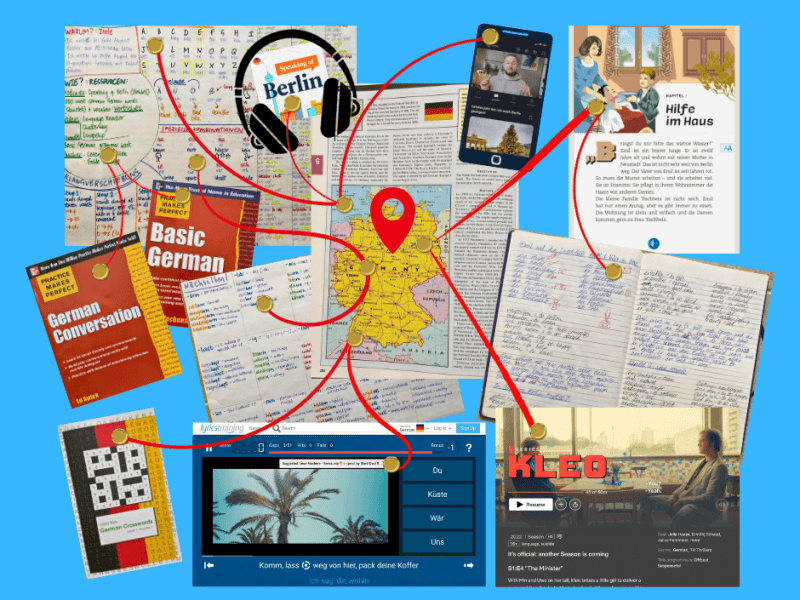
Here’s what was really important:
- Believing I could do it
- Keeping track of my progress
- Setting goals
- Ignoring the naysayers
- Experimenting with resources and methods
- Pivoting when something didn’t work
- Seeing gaps as opportunities, not failures
Ultimately, it wasn’t one trick or method that got me to B2 quickly – it was a mindset that combined belief, awareness, resilience and consistent effort.
Liked this post? Please like and share it!


Leave a comment